Pakistani Senior Officers Allegedly Plot Overseas Exit, Says Khawaja Asif
A senior Pakistani politician warned that high‑ranking bureaucrats are preparing to leave the country, hinting at a brain‑drain that could weaken state institutions. The claim has sparked debate over civil‑service morale and governance stability.
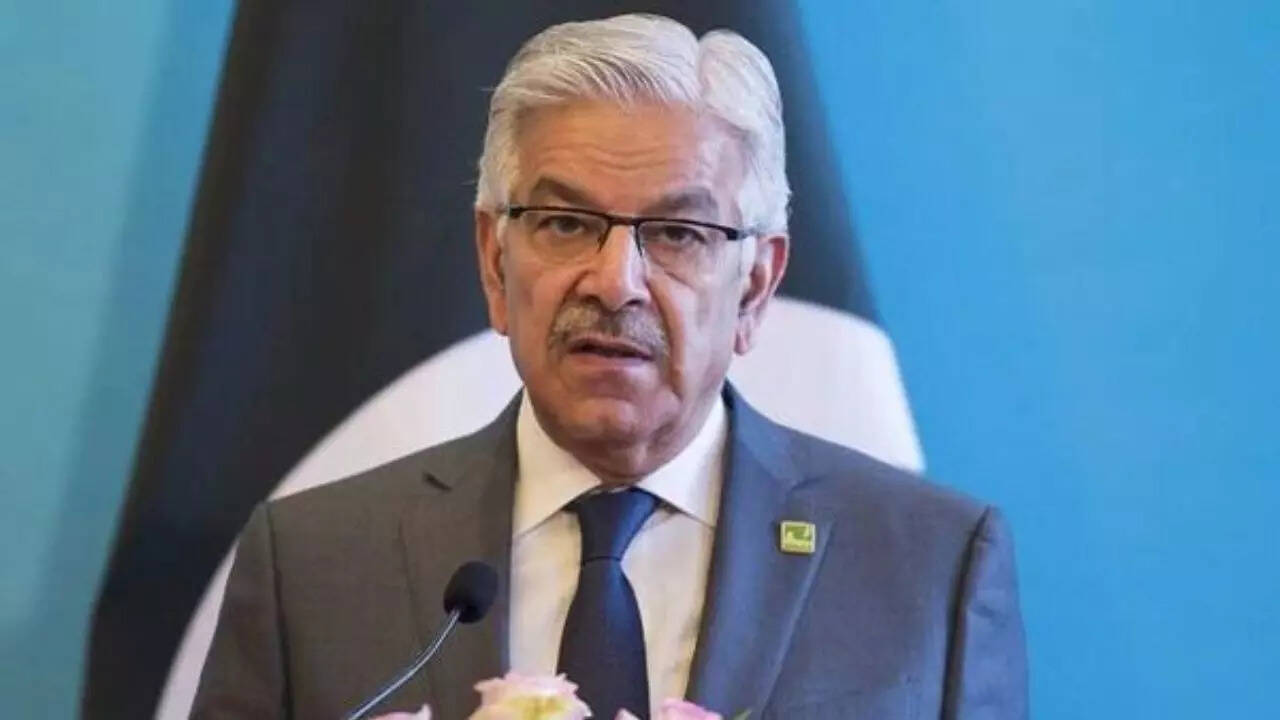
The concrete rupture was delivered in a televised interview where Khawaja Asif, a veteran member of Pakistan’s parliament, asserted that a cadre of senior officers had drafted “exit plans” to relocate abroad. He cited anonymous sources within the civil service who allegedly expressed concerns over political interference and deteriorating security conditions. The statements reverberated through the corridors of power, prompting the Ministry of Interior to issue a brief denial while promising an internal review.
Underlying tension reflects a broader crisis of confidence within Pakistan’s bureaucracy, where frequent changes in leadership and politicisation of appointments have eroded professional autonomy. Analysts note that recent economic turbulence, coupled with heightened security threats, has prompted many technocrats to seek opportunities in more stable environments. The allegation also intersects with ongoing debates about merit‑based recruitment versus patronage, a fault line that has long plagued governance structures.
Downstream casualties may manifest as a slowdown in policy implementation, as critical ministries grapple with vacancies and reduced expertise. International investors watch these developments closely, fearing that a depleted administrative capacity could hamper reform agendas. If the exodus accelerates, the government may be forced to accelerate reforms aimed at retaining talent, potentially reshaping civil‑service incentives and accountability mechanisms.
Comments 0