Panchkula Prepares for Towering Ravan Effigy Amid Record Festive Preparations
Municipal organizers in Panchkula finalized construction on a staggering 221-foot effigy of Ravan for the upcoming Dussehra celebrations. The monumental structure highlights the escalating scale of public cultural pageantry across northern Indian urban centers.
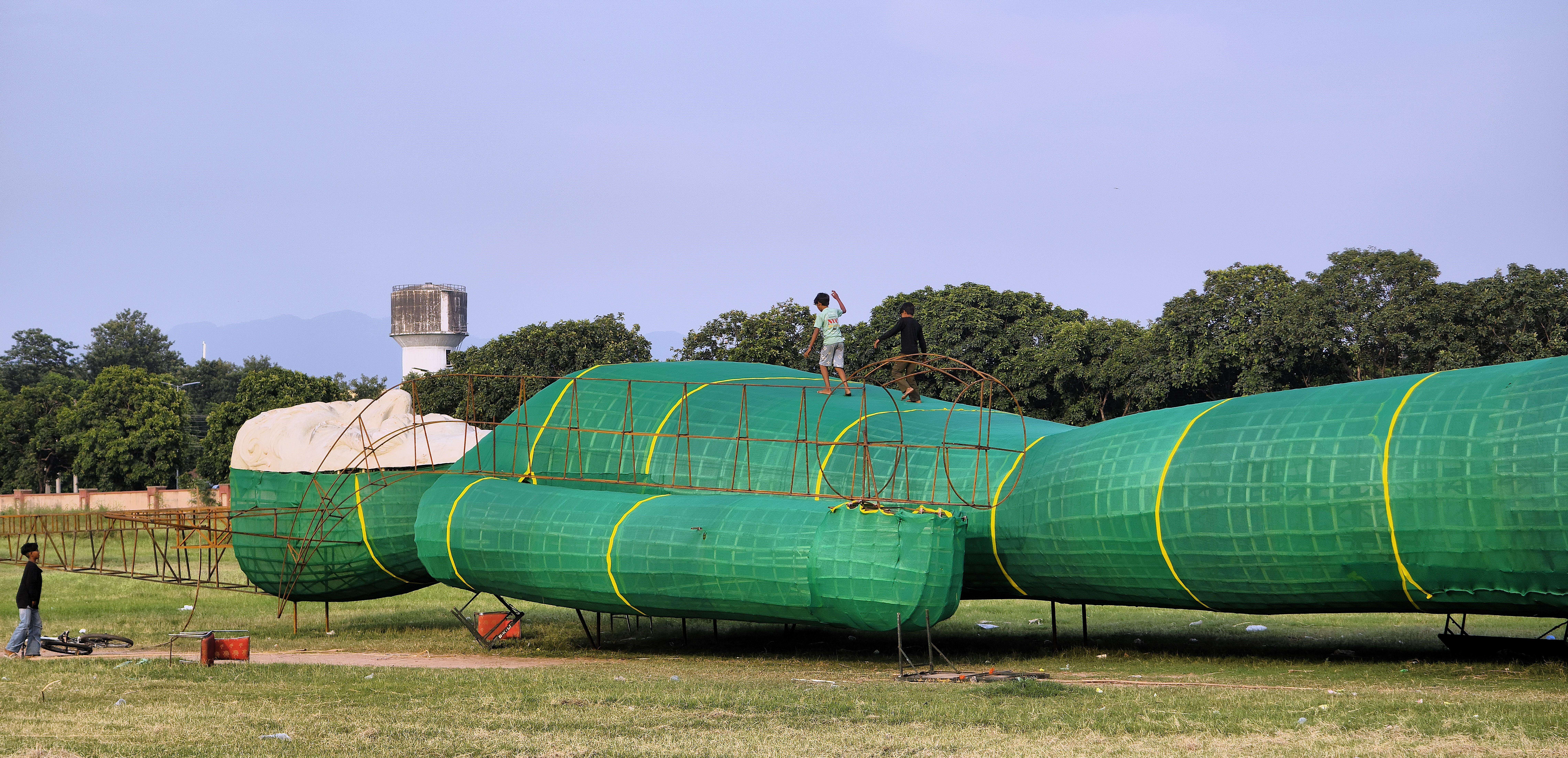
The skyline of Panchkula underwent a dramatic, temporary transformation as structural engineers and traditional artisans erected the record-breaking effigy ahead of the festive season. The construction project required specialized scaffolding, heavy-duty structural steel reinforcement, and municipal safety clearances to manage the massive crowds expected for the traditional burning ceremony. This cultural display reflects a broader economic trend where regional authorities invest heavily in grand public spectacles to stimulate local tourism and retail commerce. Beneath the festive surface lies a persistent logistical and environmental debate regarding crowd control, municipal expenditure, and air pollution generated by massive firework displays. Urban planners frequently clash with traditional committees over the safety hazards of detonating explosives within densely populated municipal zones. Despite these regulatory frictions, local political leaders champion the events as vital expressions of cultural heritage and community cohesion. The immediate economic winners are local hospitality vendors, artisans, and transport operators who capitalize on the influx of regional pilgrims and spectators. However, the long-term outcome involves mounting scrutiny from environmental tribunals regarding particulate emissions and waste management following the celebrations. The cultural calendar continues to drive massive municipal resource allocation, overshadowing routine urban infrastructure maintenance.
Comments 0