The Historic Collapse of Ten-Year Treasury Returns Forces a Reckoning in Global Portfolios
The ten-year United States Treasury note has registered its worst five-year performance in over a century, signaling profound structural distress in sovereign debt. Investors continue aggressively purchasing the asset regardless, driven by systemic hedging rather than traditional yield confidence.
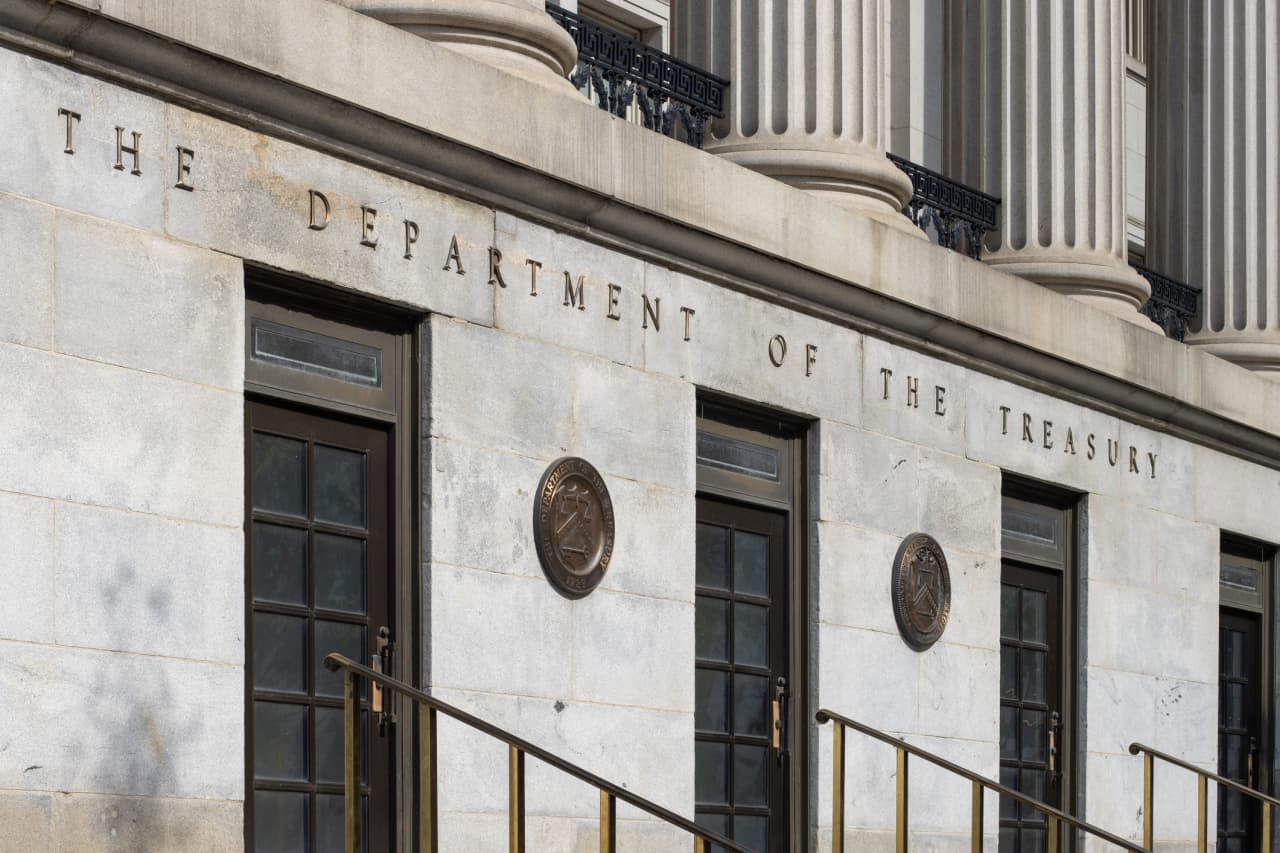
For more than a hundred years, the ten-year United States Treasury note served as the undisputed bedrock of global financial security. Recent data compiled by Goldman Sachs shatters that historic comfort, revealing a five-year return contraction that defies any precedent since the early twentieth century. Persistent inflation, shifting monetary tightening cycles, and ballooning national deficits have eroded the purchasing power of supposedly risk-free instruments, leaving institutional balance sheets heavily exposed to capital depreciation. Beneath this mathematical erosion lies a deeper institutional friction between central bank mandates and sovereign borrowing appetites. As governments issue debt at unprecedented velocity to finance fiscal obligations, bondholders find themselves caught in a liquidity trap where holding duration carries severe opportunity costs. Traditional portfolio allocators face mounting pressure from fiduciary boards who question the wisdom of maintaining heavy sovereign exposure when holding periods yield negative real returns after inflation adjustments. Despite these glaring perils, institutional capital continues to flow into the debt issuance auctions with surprising velocity. This paradoxical behavior stems from frantic hedging against broader economic contraction and geopolitical volatility, where investors accept guaranteed purchasing power losses in sovereign paper as an insurance policy against catastrophic equity downturns. The immediate casualty of this dynamic is the traditional retirement portfolio, forcing wealth managers to abandon conventional fixed-income models and construct riskier, highly diversified asset baskets to survive the new era of sovereign debt devaluation.
Comments 0