Patna High Court Affirms Territorial Jurisdiction for Writ Petitions Against NCDRCOrders
The Patna High Court ruled that the physical location of the National Consumer Disputes Redressal Commission in Delhi does not restrict aggrieved litigants to the Delhi High Court. This judicial clarification decentralizes consumer grievance redressal by empowering regional high courts to entertain challenges against national forum rulings.
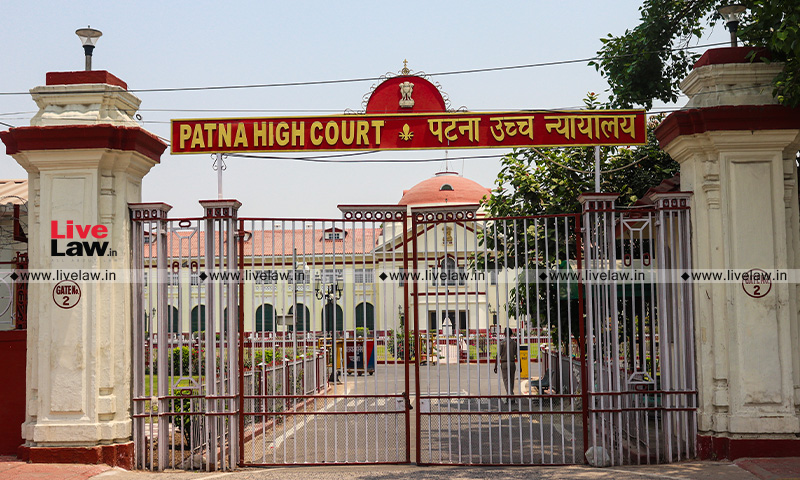
A significant constitutional question regarding judicial accessibility was settled when the Patna High Court asserted its authority to entertain writ petitions challenging orders issued by the National Consumer Disputes Redressal Commission. Historically, institutional centralization in the national capital frequently compelled litigants from distant states to incur substantial financial burdens by traveling to Delhi for higher judicial recourse. The bench addressed this structural imbalance by clarifying that the cause of action doctrine supersedes the physical headquarters of a national tribunal.
Legal practitioners across various state capitals had long contended that restricting appellate jurisdiction exclusively to the Delhi High Court created an unwritten barrier to justice for ordinary citizens. Federal principles dictate that statutory tribunals operating nationwide must remain accountable to high courts within whose territorial boundaries the affected parties reside and where the original dispute materialized. This ruling dismantles the administrative convenience argument previously advanced by institutional respondents seeking to centralize litigation in the capital.
The immediate consequence of this judgment is a decentralization of consumer litigation, allowing regional litigants to seek expedited remedies closer to their homes. Institutional respondents and corporate entities defending consumer claims must now prepare for decentralized legal defense strategies across multiple state high courts rather than concentrating resources solely in Delhi.
Comments 0