Patna Launches India’s Second Water Metro
Patna has become the nation’s second city, after Kochi, to receive a water‑based metro system, marking a milestone in urban transport innovation. The project promises to alleviate road congestion and provide a low‑carbon commuting alternative for residents of Bihar’s capital.
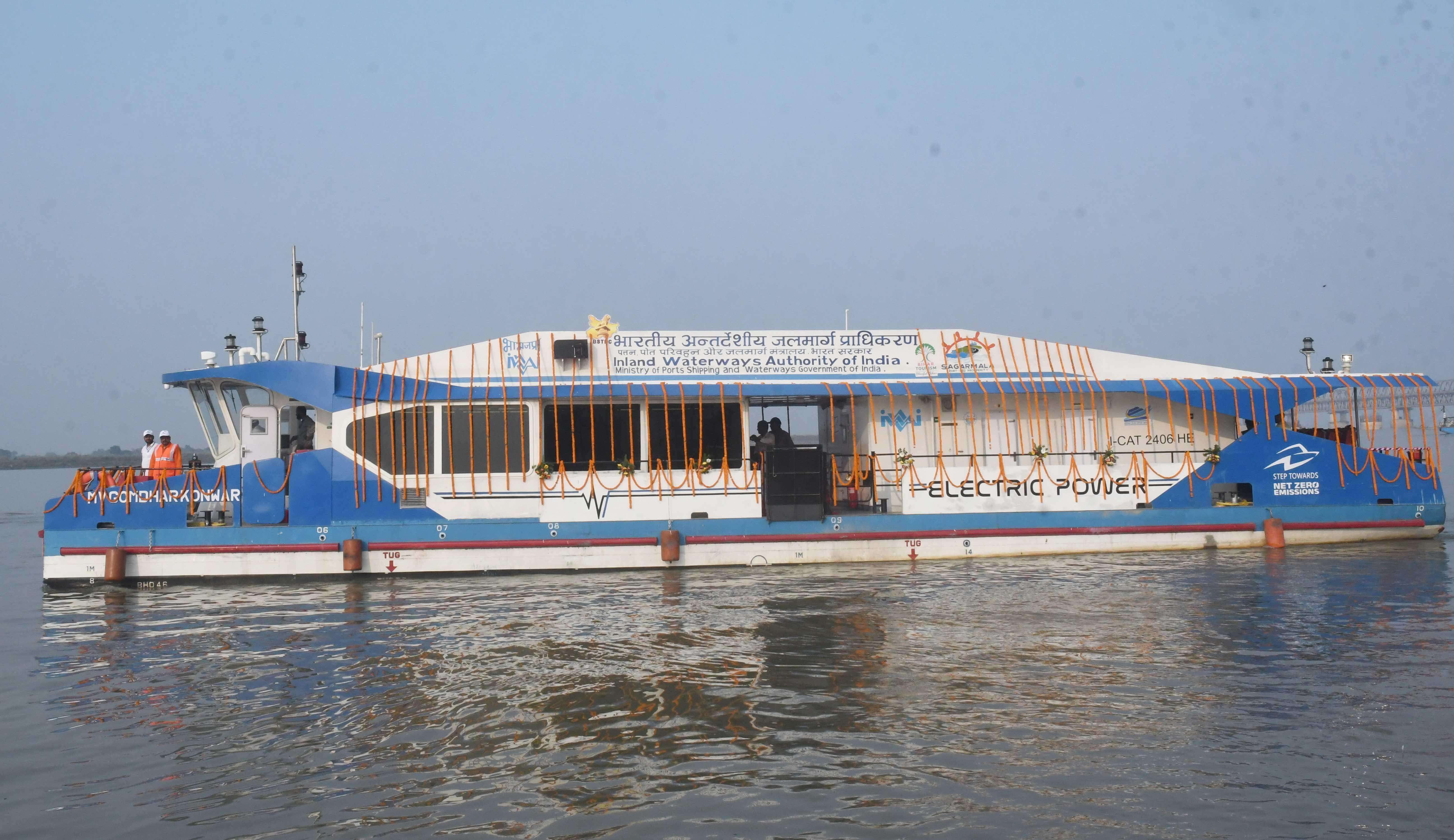
The inauguration of the water metro follows a multi‑year feasibility study that identified the Ganges River’s navigable stretches as suitable for a commuter network. Engineers have designed a fleet of electric‑powered vessels capable of carrying hundreds of passengers per trip, with terminals strategically placed near major commercial hubs and residential districts. The initiative is funded through a blend of state allocations and central urban development grants, reflecting a coordinated effort to diversify mobility options beyond traditional roadways.
Underlying this development is a broader push by the Bihar government to modernize infrastructure while addressing chronic traffic snarls and air quality concerns. Critics have pointed to the challenges of maintaining waterway safety, seasonal river level fluctuations, and the need for robust regulatory oversight. Nevertheless, the project enjoys support from local business chambers, which anticipate increased footfall for river‑front markets and tourism. The water metro also aligns with national objectives to reduce vehicular emissions by promoting public transport alternatives.
The tangible outcomes of the water metro are expected to manifest within months, as commuters begin to shift from congested bus routes to the smoother riverine service. Reduced road traffic could lower accident rates and improve air quality indices across the city. Moreover, the venture may stimulate ancillary industries, such as dock construction, vessel maintenance, and hospitality services near terminals. If successful, Patna’s model could inspire similar river‑based transit solutions in other Indian cities with suitable waterways.
Comments 0