Delhi Court Challenges Pre‑BS‑VI Vehicle Exemptions
The Delhi High Court has ruled that authorities failed to justify the sudden classification of pre‑BS‑VI vehicles as major polluters, granting exemptions to lawyers and court staff for three months. The decision has sparked a broader debate over enforcement of emission standards in the capital.
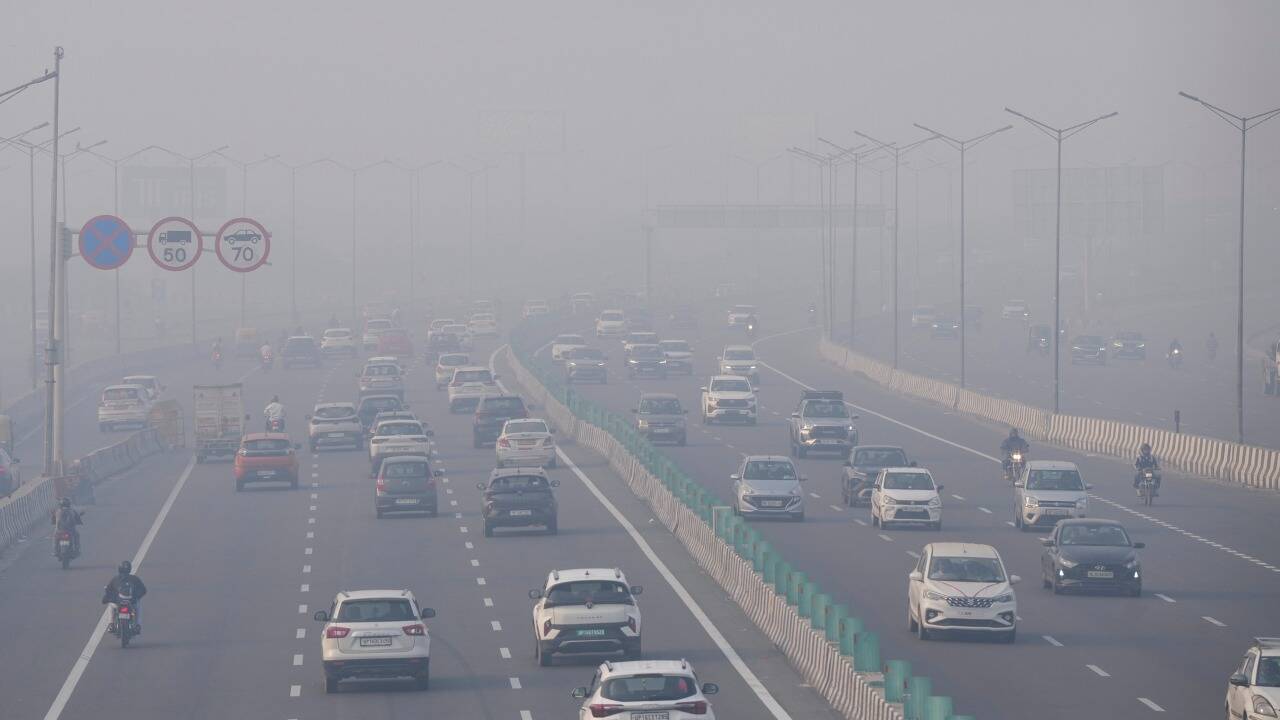
In a detailed judgment, the bench highlighted the absence of a transparent methodology behind the abrupt shift in pollution attribution, noting that the government had not provided data to substantiate the claim that older vehicles were now the primary source of smog. By granting temporary relief to members of the legal fraternity and court personnel, the court signaled a willingness to balance public health concerns with practical considerations for essential workers. The ruling has placed the onus on the environmental department to produce a clear, evidence‑based framework for future curbs.
The underlying tension stems from competing priorities: the city’s urgent need to improve air quality versus the logistical challenges of enforcing stringent standards on a sprawling vehicle fleet. Officials argue that pre‑BS‑VI cars contribute disproportionately to particulate matter, yet critics contend that the policy lacks consistency with earlier emissions data. The exemption for legal professionals, while limited in scope, raises questions about equity and the criteria used to determine essential services. Civil‑society groups have called for an independent audit to reconcile the policy’s intent with its implementation.
If the court’s directive leads to a more rigorous emissions monitoring system, the downstream impact could include a phased retirement of older vehicles, increased demand for retrofitting technologies, and a potential rise in electric vehicle adoption. Conversely, failure to address the procedural gaps may erode public confidence in regulatory bodies, prompting legal challenges from other occupational groups. The episode illustrates how judicial scrutiny can catalyze policy refinement, shaping the city’s environmental trajectory.
Comments 0