Patna’s Streets Redirected for Assembly Session
Traffic police in Bihar imposed special road restrictions to accommodate the state assembly’s opening session. The measures disrupted daily commutes but were intended to ensure security and smooth legislative proceedings.
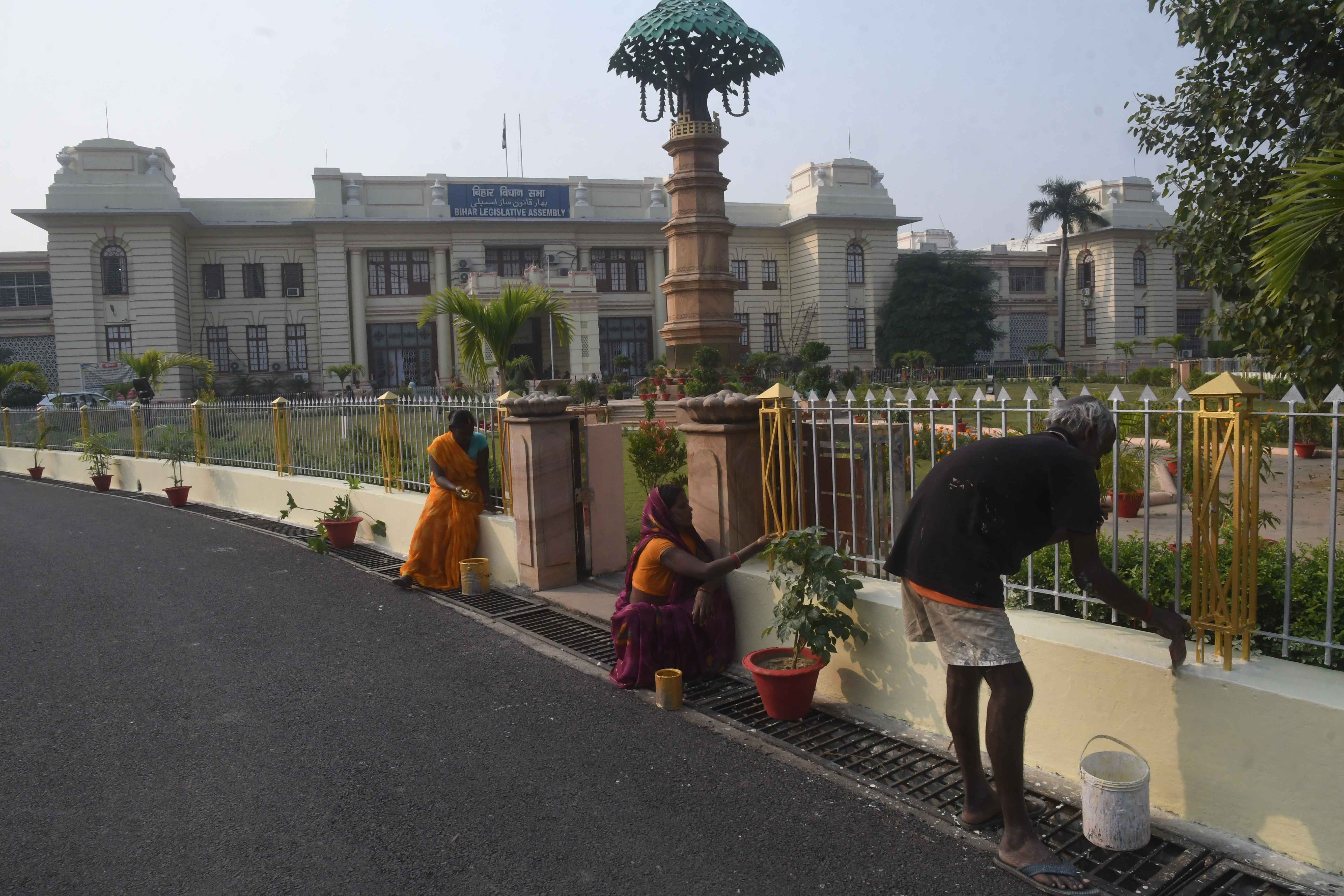
The concrete rupture materialised as the Patna traffic police erected barricades on major arteries, including the Ashok Rajpath and Bailey Road, early on Monday morning. Vehicles were rerouted to secondary lanes, and a temporary ban on heavy trucks was enforced within a five‑kilometre radius of the assembly complex. The operation, coordinated with the district commissioner’s office, aimed to minimise congestion while providing unobstructed access for legislators, security personnel, and media crews attending the inaugural session of the new legislative term.
Underlying tension arose from the competing demands of commuters, local businesses, and political stakeholders. Traders operating near the restricted zones reported a sharp decline in foot traffic, prompting complaints to the municipal council. Meanwhile, opposition parties voiced concerns that the restrictions could be leveraged to limit protest activities, a claim that the police dismissed as unfounded. The administration justified the measures by citing recent incidents of road blockades that had disrupted previous sessions, underscoring the delicate balance between maintaining order and preserving civil liberties.
The downstream casualties include a measurable increase in travel time for daily commuters, with estimates suggesting an average delay of fifteen minutes per trip. Public transport operators adjusted schedules, incurring additional fuel costs, while some residents resorted to informal ride‑sharing arrangements at higher fares. In the longer term, the episode may prompt the state government to develop a permanent traffic management plan for future assembly sessions, potentially involving the construction of dedicated service lanes and the deployment of intelligent traffic signalling systems.
Comments 0