Petitioner Threatens Opposing Counsel To Withdraw Written Submissions; Allahabad High Court Dismisses Plea With ₹1 Lakh Costs
The Allahabad High Court dismissed a petitioner's request to compel opposing counsel to withdraw written submissions and imposed a cost of ₹1 lakh. The court emphasized that direct contact with the rival lawyer is not permissible.
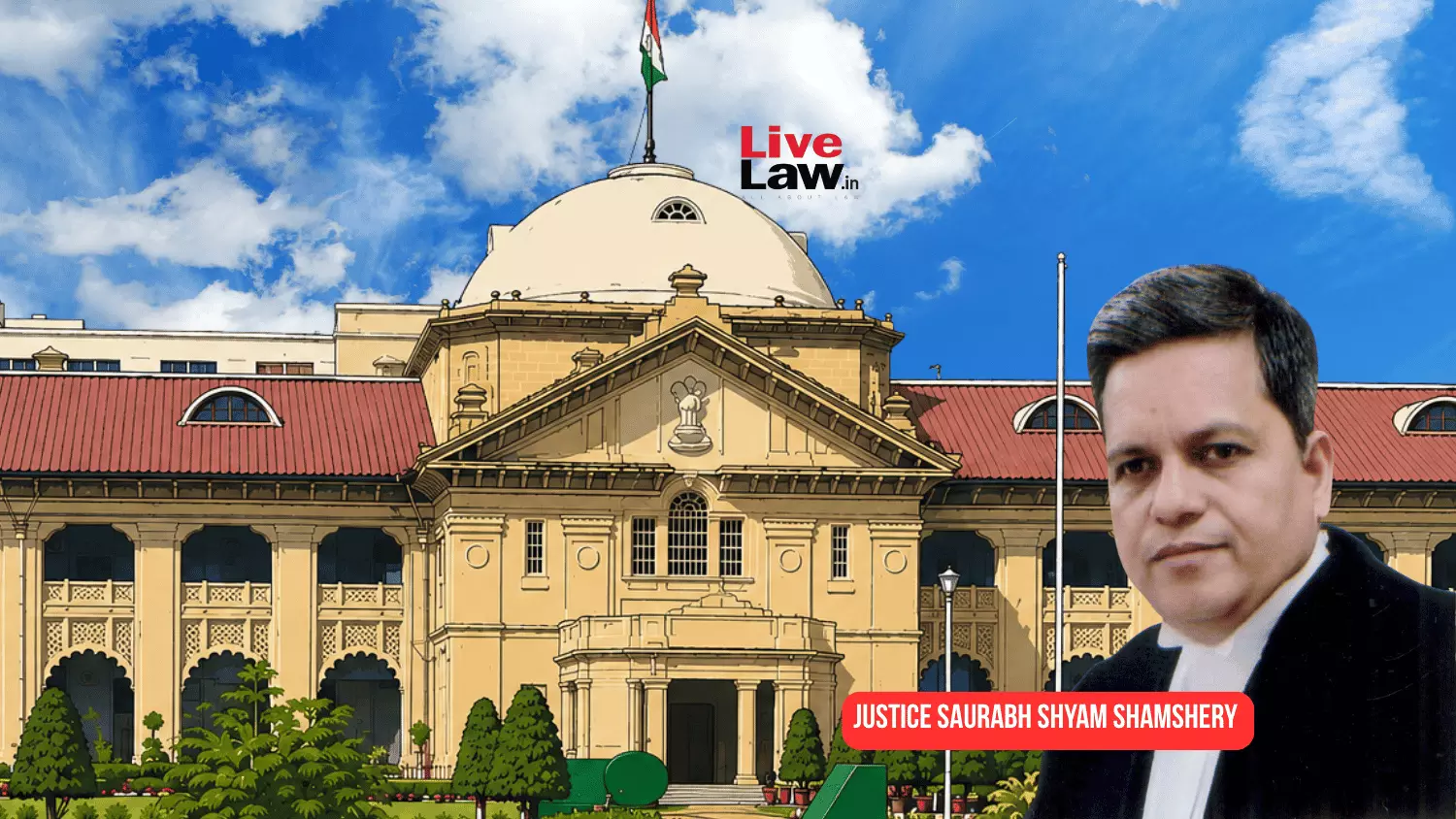
In a recent hearing, a litigant attempted to pressure the counsel representing the opposite party by demanding that the lawyer retract previously filed written submissions. The petitioner argued that the submissions were inaccurate and sought a court order to force the withdrawal. The High Court, however, ruled that such a request violates professional conduct rules and the principle of fair play in litigation. The bench noted that any communication with the opposing counsel must go through proper legal channels, and personal threats or intimidation are unacceptable in the courtroom.
The court’s decision to impose a cost of ₹1 lakh on the petitioner serves as a deterrent against future attempts to manipulate the legal process. The judgment referenced the Bar Council of India’s code of ethics, which obliges lawyers and their clients to maintain decorum and to refrain from undue pressure on the opposing side. By rejecting the petitioner's plea, the High Court reinforced the importance of respecting the independence of counsel and the integrity of written pleadings, which are essential components of the adversarial system.
Legal experts say the ruling sends a clear message to litigants across India that the courts will not tolerate attempts to coerce or harass opposing parties. It also underscores the need for parties to rely on substantive arguments rather than intimidation tactics. For the broader legal community, the case may prompt law firms to review their client counseling practices to ensure that clients understand the boundaries of permissible conduct during litigation.
Comments 0