Petraeus Confronts the Military Questions Raised by Artificial Intelligence
Former CIA director and retired US Army general David Petraeus will address the NDTV World Summit on the character of war in the age of artificial intelligence. His intervention matters because military planners are already moving from abstract debates about machine cognition toward decisions over command, targeting and the distribution of responsibility.
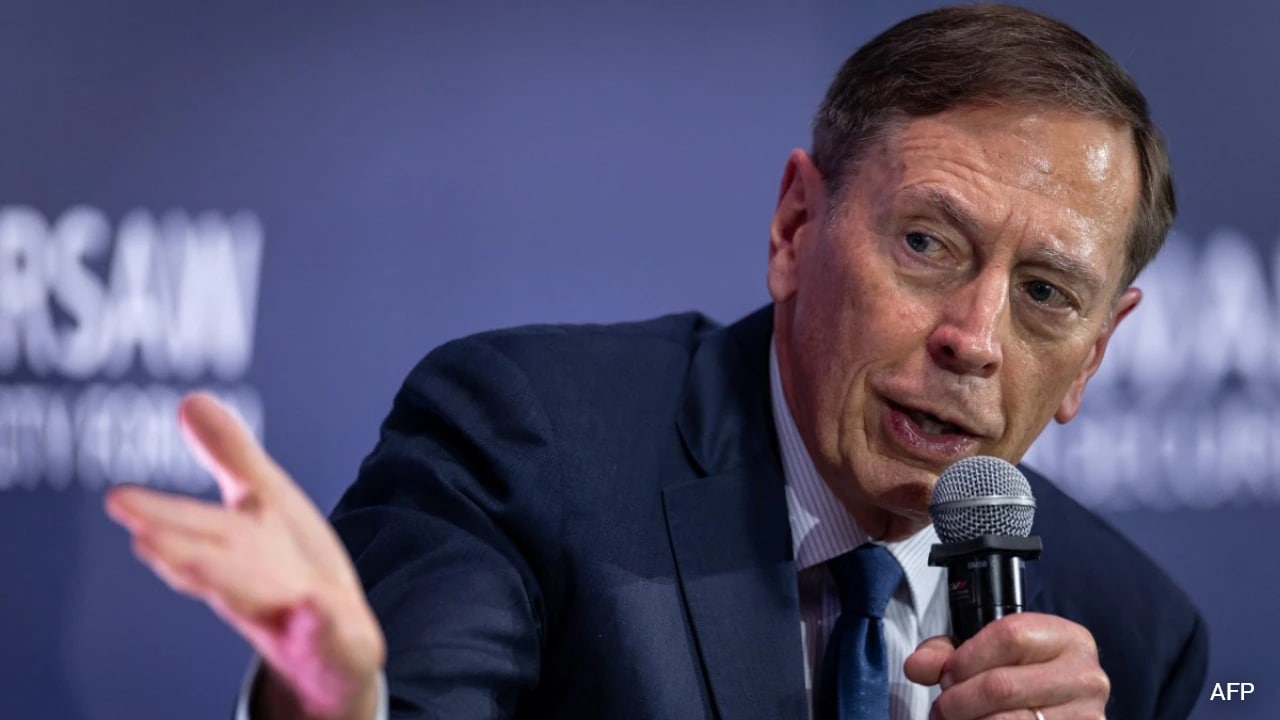
The concrete rupture lies in the prospect that artificial intelligence will alter not merely the instruments of war but the speed and opacity with which force is selected and directed. At the NDTV World Summit, David Petraeus is expected to examine how emerging technologies bear on conflict, intelligence and statecraft. A former director of the Central Intelligence Agency and retired US Army general, he brings a perspective shaped by both institutional command and the continuing difficulty of seeing into the intentions of adversaries.
The underlying tension is that military institutions seek dependable decision systems while insisting that human authority remain legally and morally intelligible. Machines may compress the volume of information available to commanders, identify patterns in surveillance data and accelerate the cycle from detection to response. Yet the same opacity can make it harder to explain why a target was chosen, distinguish intelligence from model-generated inference and assign responsibility when an erroneous recommendation contributes to loss. Political leaders, intelligence agencies and armed services must therefore reconcile operational speed with a clear chain of decision.
The downstream consequence will be a contest over authority. Countries that integrate these systems effectively may gain information advantages, while those that permit private firms or competing militaries to set the limits of machine decision could surrender strategic control. Smaller states may be compelled to procure systems without possessing the capacity to audit them. The result will not be a clean division between human and machine command, but a new field of institutional friction in which procurement, doctrine and law will be tested by the first pressures of real conflict.
Comments 0