PG Doctors Abandon AIIMS and JIPMER Residencies Over Exhaustive Duty Hours
A wave of postgraduate physicians resigned from premier medical institutes citing 36‑hour shifts, harassment, and a toxic workplace, sparking a national debate on trainee welfare. Hospitals are now confronting staffing shortages and reputational risk.
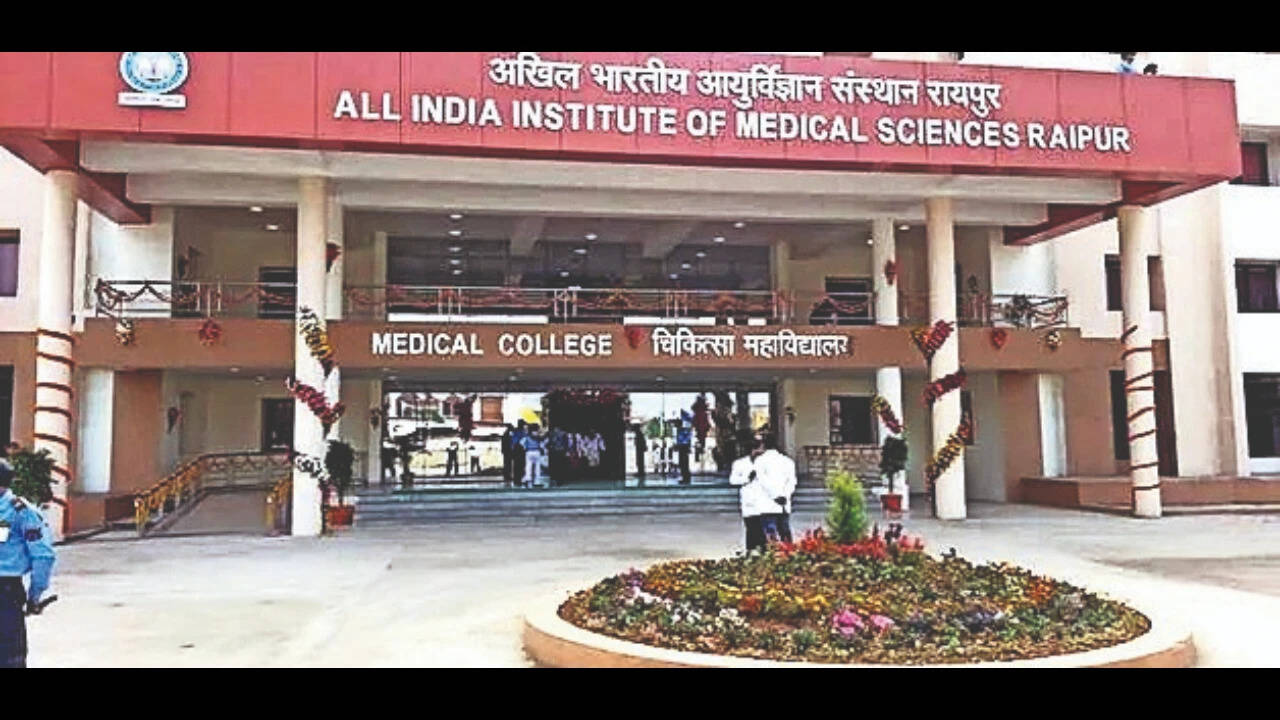
In a coordinated exodus, dozens of postgraduate doctors left the residency programmes at AIIMS in Delhi and JIPMER in Puducherry, protesting grueling 36‑hour duty cycles, alleged harassment, and a culture they described as hostile. Their departures were formalised through resignation letters that highlighted systemic neglect of trainee well‑being and a lack of transparent grievance mechanisms. The resignations have reverberated through medical circles, prompting calls for immediate policy review.
The incident underscores a longstanding friction between medical institutions and their junior staff, where hierarchical structures often impede open dialogue. Professional bodies have demanded that the Ministry of Health intervene to enforce duty‑hour limits and establish independent oversight committees. Meanwhile, senior clinicians argue that patient care demands flexibility, yet acknowledge that burnout threatens the quality of service and future recruitment.
The immediate fallout includes a scramble to fill vacant posts, with hospitals resorting to temporary contracts that may compromise continuity of care. Patient advocacy groups warn of potential disruptions in critical services, especially in specialties already facing shortages. Over the next twelve months, the crisis is likely to catalyse regulatory reforms that enforce stricter work‑hour caps and introduce mental‑health support for medical trainees, reshaping the training environment across India.
Comments 0