Police Can't Justify Restraint Of Journalists By Merely Avoiding Words 'Arrest' Or 'Detention': Media Organisation Tells Supreme Court
The Network of Women in Media told the Supreme Court that police cannot justify restraining journalists simply by avoiding the words “arrest” or “detention.” The organization also emphasized that journalism should not be made conditional on accreditation.
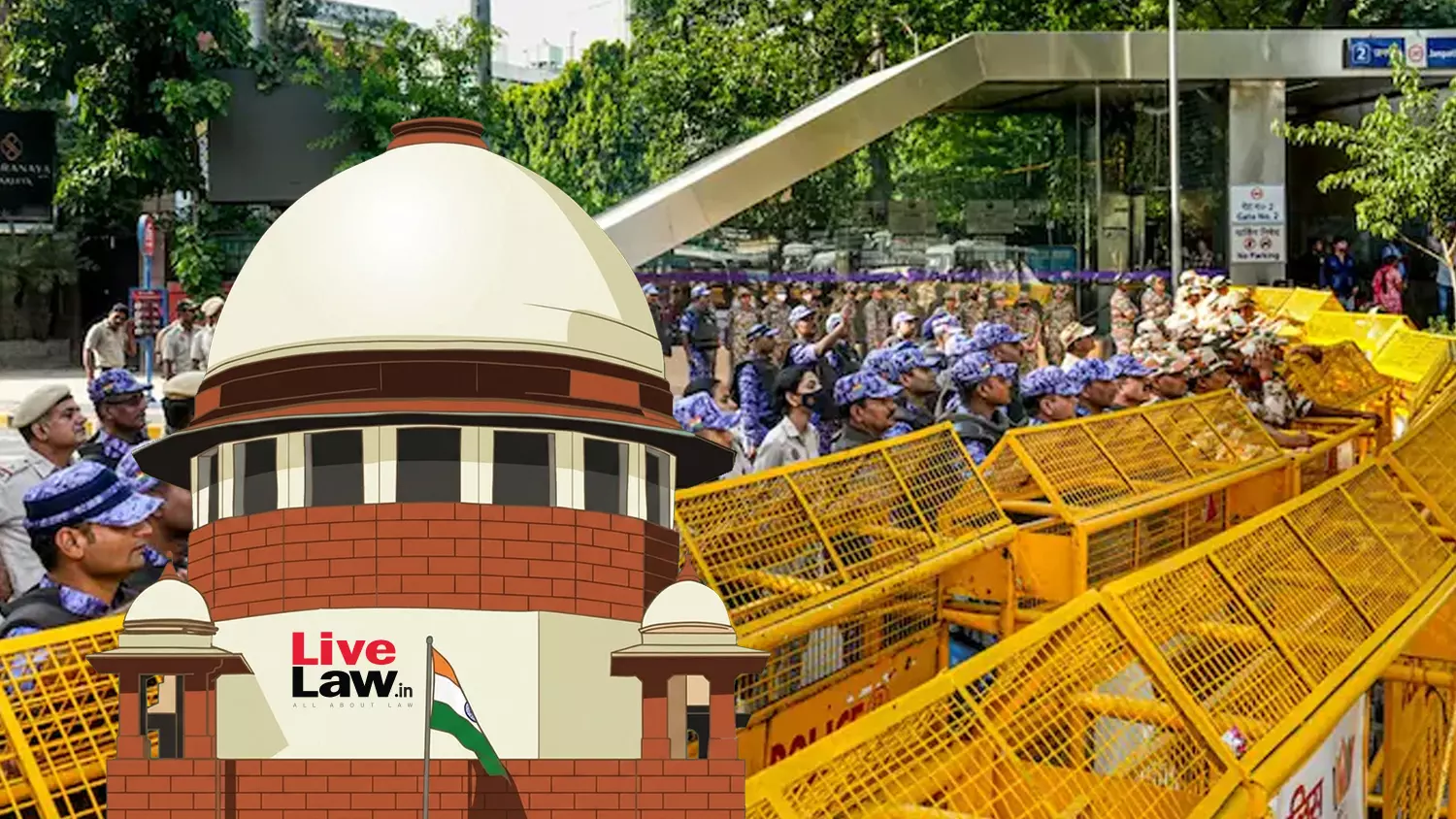
The case before the Supreme Court involves police officers who stopped a group of reporters from covering a public event, later describing the action as a "preventive measure" rather than an arrest. Under Indian law, any deprivation of liberty must be recorded as an arrest or detention, and the affected persons are entitled to legal safeguards. The court has been asked to examine whether the police’s semantic distinction violates constitutional guarantees of freedom of the press and the right to personal liberty.
In its written rejoinder, the Network of Women in Media argued that conditioning journalistic activity on accreditation creates a hierarchy that can be abused to silence critical voices. Accreditation is intended to ensure professional standards, but it should not be used as a pretext to deny reporters access to public spaces or events. The organization cited previous instances where accreditation requirements were selectively enforced, leading to accusations of bias and intimidation.
The issue matters to readers across India because a free press is essential for an informed electorate and for holding public officials accountable. Restrictions on journalists can limit the flow of information about government actions, public health emergencies, and social movements. If the Supreme Court rules that the police’s approach is unlawful, it could set a precedent that strengthens protections for media workers and clarifies the legal definition of arrest in the context of press freedom.
Comments 0