Political Firestorm Erupts in Punjab Following Citizen Poisoning Over Drug Inaction
A desperate rural resident in Punjab consumed poison after administrative authorities repeatedly ignored his formal complaints regarding rampant local drug trafficking. The incident ignited an intense political confrontation over government failures in controlling narcotics.
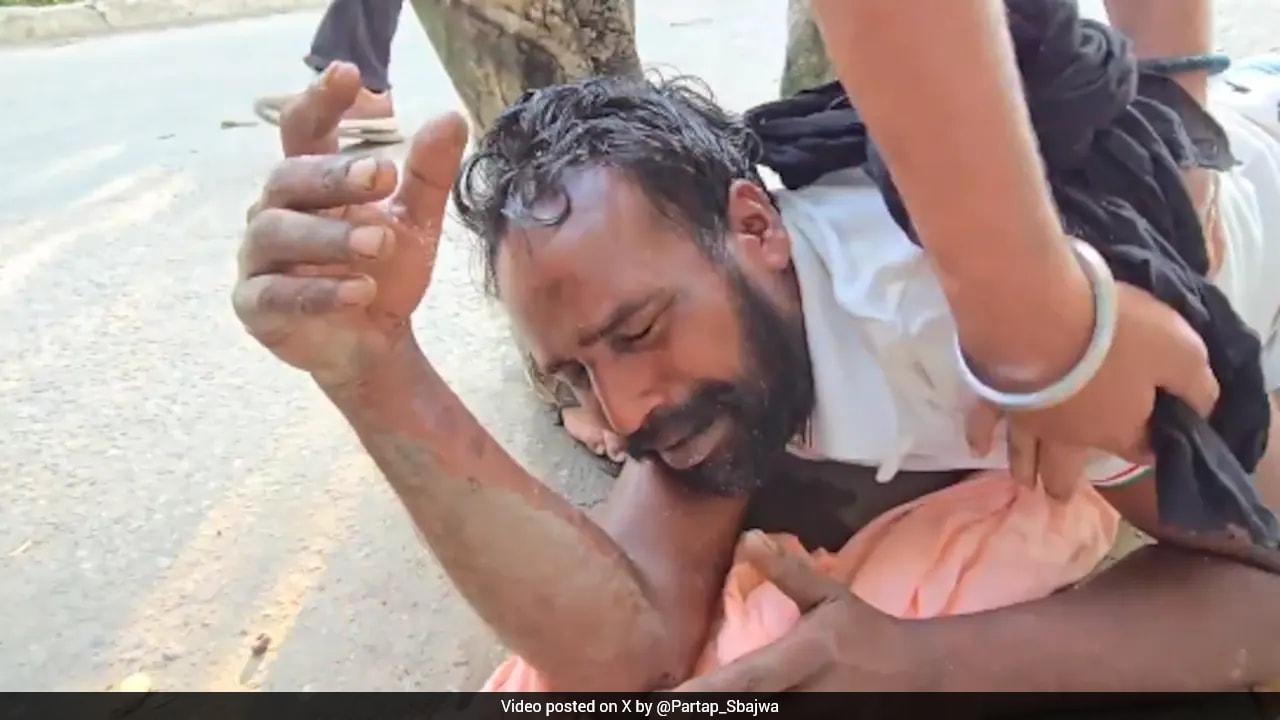
The quiet village of Namol in Punjab became the epicentre of a major political crisis when a local resident ingested poison outside a government office to protest official apathy toward local narcotics distribution. Prior to the extreme act, the individual had repeatedly petitioned the village head and district administration regarding open drug peddling syndicates operating within the community without police interference. The immediate public shock transformed a localized grievance into a searing indictment of the state's broader anti-narcotics strategy. Opposition political factions seized upon the incident to accuse the ruling administration of systemic complicity and administrative cowardice in combating rural substance abuse. Law enforcement agencies scrambled to detain implicated local figures while defensive government spokespersons attempted to deflect blame onto previous administrations. This political theatre underscores the profound institutional failure of local governance structures to protect vulnerable rural populations from organized criminal networks. The immediate casualty of this crisis is the erosion of public trust in local policing and administrative accountability mechanisms. As the victim fights for survival in a specialized hospital, rural communities across the state are mobilizing vigilance committees to combat drug cartels independently. The state government now faces intense pressure to deliver visible structural reforms in law enforcement before voter alienation translates into electoral defeat.
Comments 0