Stubble Politics and the Impending Electoral Calculus in Punjab
As the state approaches the 2027 assembly elections, political expediency dictates a soft administrative stance on agricultural stubble burning. Farmers continue to ignite their fields with impunity, while the state government turns a blind eye to avoid electoral retribution.
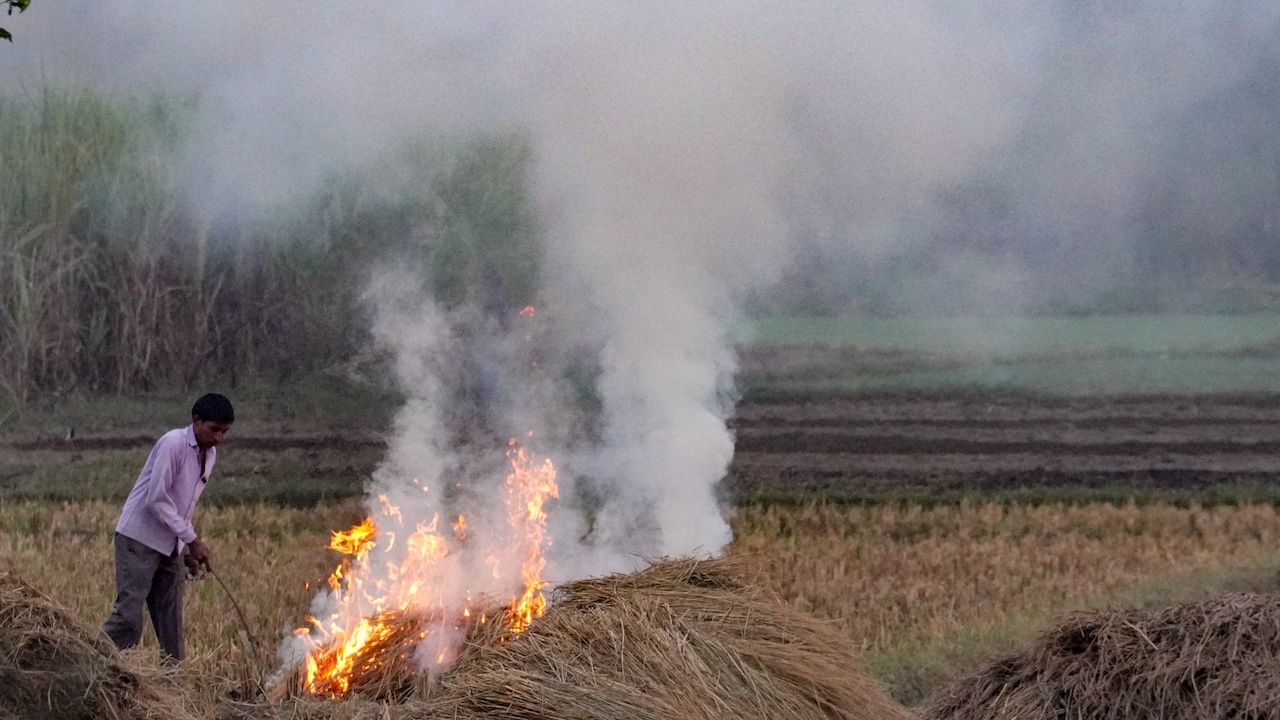
The arrival of autumn in northern India invariably brings the familiar amber haze of crop residue burning, yet the political architecture surrounding the smoke has shifted decisively. In the agricultural heartlands of Punjab, the calculus of governance has bent entirely to the impending legislative elections. Village administrations and district officials have received implicit directives to stay their hand, shelving punitive challans and legal notices that might otherwise alienate powerful agrarian unions. At the core of this institutional paralysis lies a fundamental conflict between environmental preservation and electoral survival. The ruling administration, anxious to retain rural constituencies, finds itself trapped in a populist bargain where ecological health is traded for ballot box loyalty. Opposition parties watch closely, weaponizing the resulting smog as evidence of governance failure while simultaneously promising similar amnesties to farmers if they attain power. Downstream, millions of citizens across the Indo-Gangetic plain absorb the physical cost of this political cowardice through compromised air quality and escalating respiratory ailments. The immediate outcome is a predictable escalation of seasonal air toxicity that defies judicial mandates and national clean air targets. By prioritizing short-term political hegemony over public health, the state ensures that structural agricultural reform remains indefinitely deferred.
Comments 0