Potential Decline in Hormuz Crude Exports as Tanker Shortage Looms
Analysts warn that a shortage of inbound tankers could curtail oil shipments from the Hormuz corridor, threatening a rebound toward pre‑war export levels. The constraint may pressure global oil markets and reshape pricing dynamics.
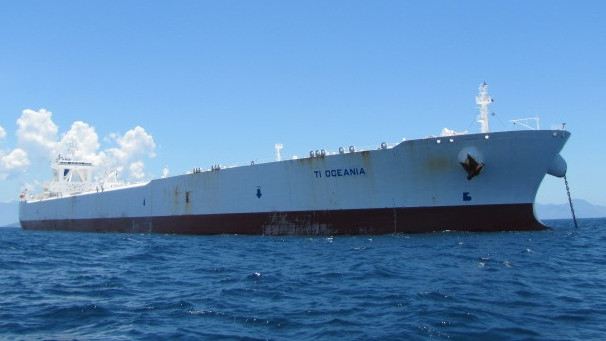
The Hormuz strait, a vital conduit for Middle Eastern crude, has witnessed a rapid recovery in export volumes, approaching the figures recorded before the regional conflict. However, the surge is now meeting a logistical bottleneck: a dwindling pool of available tankers capable of navigating the narrow passage and delivering oil to distant refineries. Shipping firms report that many vessels are tied up on longer routes or undergoing maintenance, leaving a gap that could force exporters to idle cargo or seek alternative, costlier pathways.
This emerging tension pits national oil ministries against private logistics operators, each vying for priority access to the limited tanker fleet. Governments in the Gulf have begun negotiating charter agreements with distant shipowners, while some regional ports are exploring the use of smaller, faster vessels to mitigate delays. The situation also highlights the fragility of global supply chains, as even a modest reduction in Hormuz shipments can ripple through markets already sensitive to geopolitical shocks.
If the shortage persists, downstream industries such as petrochemicals and transportation may confront higher input costs, prompting refiners to adjust output mixes and consumers to brace for elevated fuel prices. The anticipated dip in exports could also influence OPEC's production strategies, potentially prompting a recalibration of output quotas to stabilize the market. In the longer term, the episode may accelerate investments in alternative transport corridors, such as pipelines or rail links, as exporters seek to diversify away from maritime dependence.
Comments 0