Prolonged Dry Spell Shatters Rainfall Records in Pune as Agricultural Anxiety Mounts
Pune's Shivajinagar station has recorded an unprecedented fifty-four-day streak without double-digit rainfall, the longest dry spell since 2018. This prolonged meteorological anomaly threatens local reservoir levels, rabi sowing schedules, and groundwater reserves across western Maharashtra.
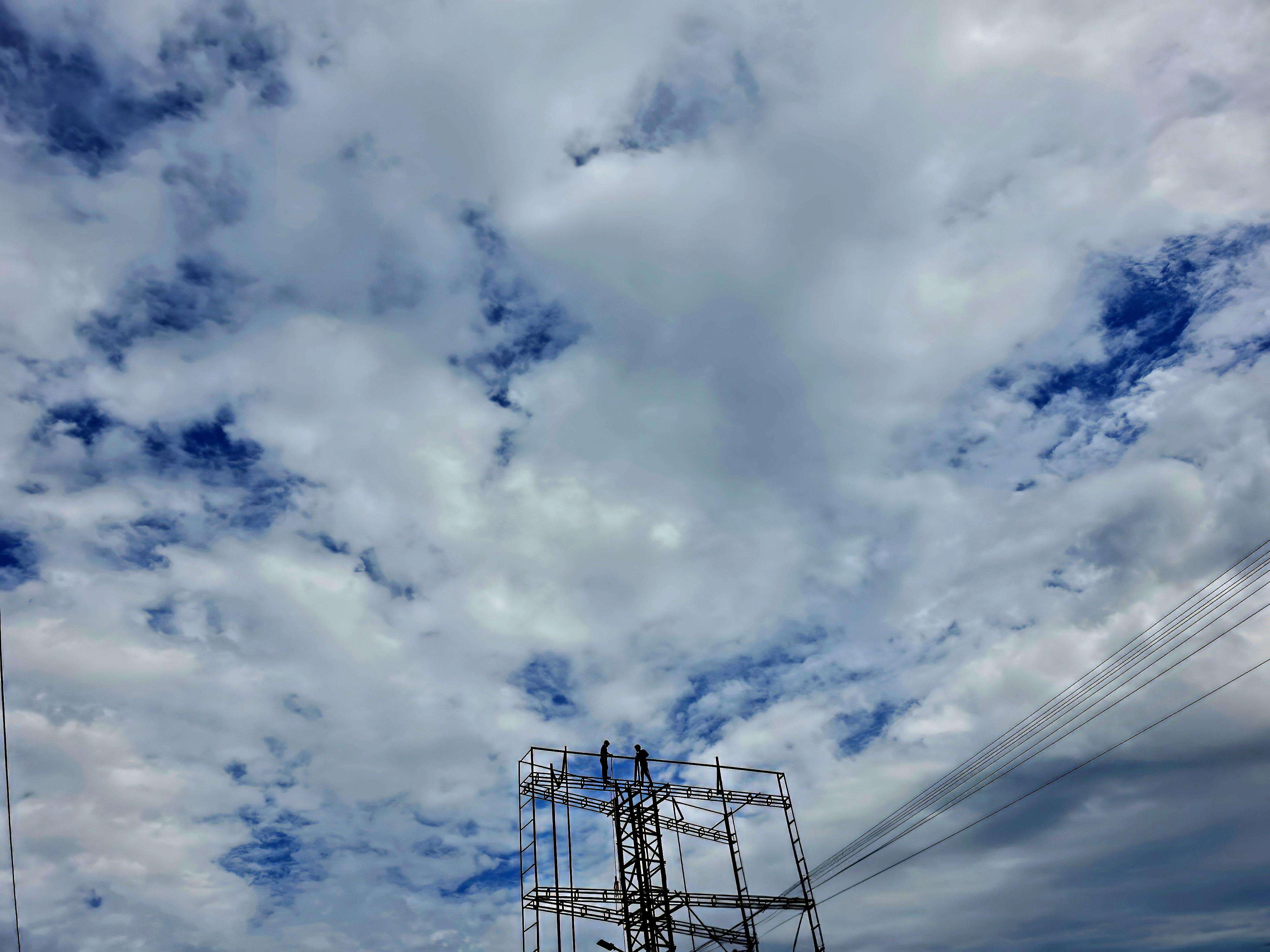
The monsoon season in western Maharashtra has delivered a deceptive and punishing finale, characterized by an extended atmospheric hiatus over Pune. Meteorological data indicates that Shivajinagar has endured over seven weeks without a significant downpour, shattering seasonal expectations and leaving agricultural tracts desiccated. The prolonged absence of substantial precipitation has disrupted traditional cropping cycles and left farming communities bracing for severe yield contractions. Underpinning this agricultural distress is the growing volatility of micro-climatic patterns driven by shifting regional wind dynamics and premature withdrawal markers. Irrigation departments are struggling to balance competing water demands between urban municipal consumption and agrarian sustenance, stoking tensions between city administrators and rural cooperatives. Groundwater tables, already strained by excessive borewell extraction, are failing to recharge adequately before the onset of summer. Rural households dependent on rain-fed agriculture face immediate financial ruin, compelling distress migration toward urban peripheries in search of daily wage labor. The downstream economic shockwave will likely manifest in higher food inflation for staple pulses and vegetables across metropolitan markets. State disaster management agencies are monitoring reservoir capacities closely, anticipating severe drinking water rationing if pre-summer showers fail to materialize.
Comments 0