Public Health Escalation: Yamunanagar Amplifies Vector Borne Disease Surveillance
Health authorities in Yamunanagar have intensified containment protocols following a sharp surge in dengue, malaria, and swine flu cases across the district.
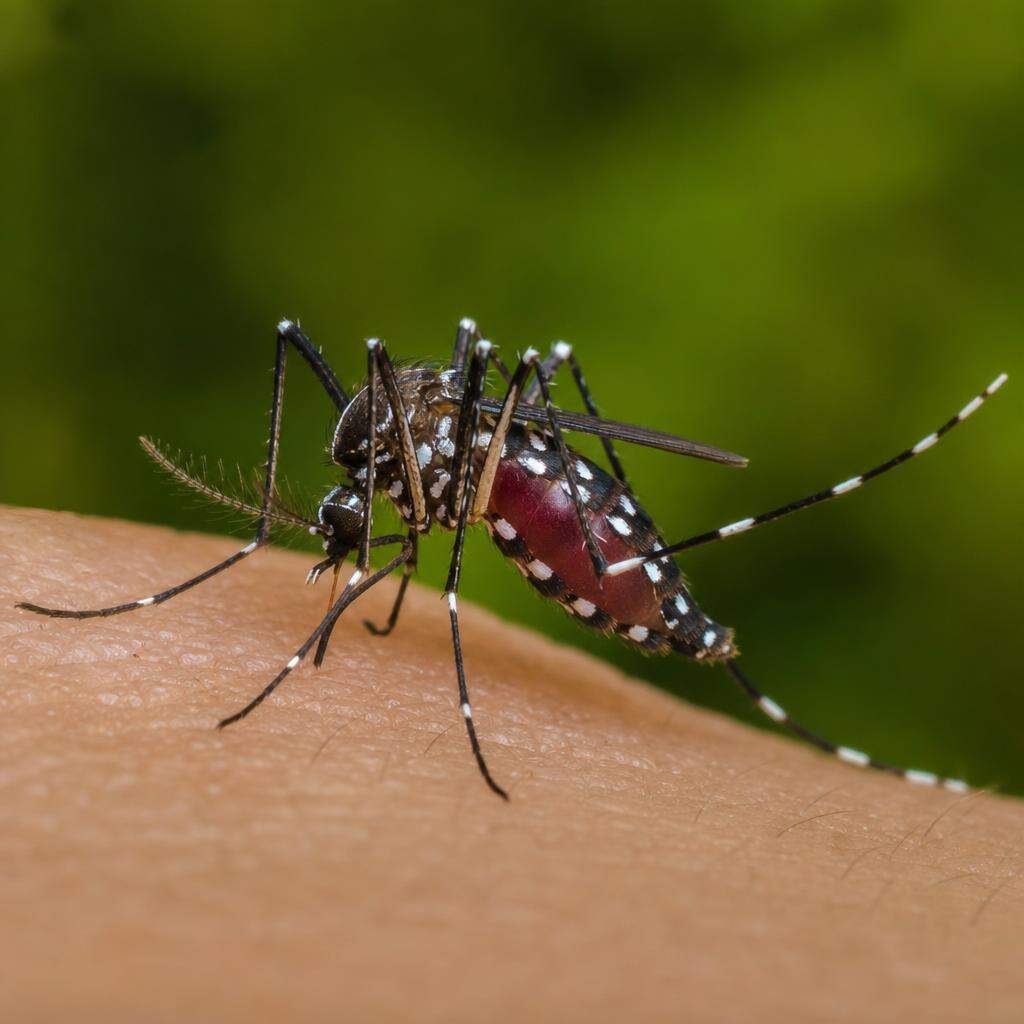
Medical infrastructure in the northern district of Yamunanagar is facing a severe seasonal stress test as vector-borne and respiratory infections multiply rapidly. Local hospitals report an influx of patients presenting with severe fevers, prompting municipal authorities to launch aggressive fumigation and public screening campaigns. The convergence of mosquito-borne ailments and viral influenza strains has stretched outpatient departments to their operational limits. The underlying vulnerability driving this health crisis lies in persistent infrastructural deficits surrounding urban drainage and stagnant water management. Rapid, unregulated construction has repeatedly disrupted natural drainage channels, creating ideal breeding grounds for disease vectors during the post-monsoon period. Public health officials struggle to enforce sanitation compliance in crowded commercial zones without sustained municipal funding. The immediate casualties are daily wage earners and lower-income families who bear the brunt of lost workdays and out-of-pocket medical expenditures. Healthcare facilities are forced to defer elective procedures to accommodate emergency isolation wards. Over the coming year, municipal authorities must invest heavily in permanent subterranean drainage overhaul to prevent these predictable annual epidemics from recurring.
Comments 0