Puja Rush Triggers Temporary Halt for Ten Train Pairs at Vindhyachal
During the festive season, Indian Railways imposed a provisional suspension on ten pairs of trains passing through Vindhyachal to manage overcrowding. The measure aims to prevent accidents but disrupts travel plans for thousands of pilgrims.
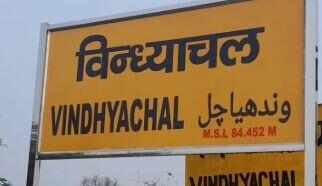
As devotees flocked to the sacred banks of the Ganga for the annual puja celebrations, the railway administration in Bihar announced a temporary halt for ten pairs of passenger and express trains that normally traverse the Vindhyachal junction. The decision, taken after a risk assessment by the railway safety board, was intended to alleviate platform congestion and reduce the likelihood of stampedes during peak boarding hours. Officials deployed additional staff to guide pilgrims, installed temporary barriers, and coordinated with local police to maintain order throughout the holiday period.
The suspension, while enhancing safety, created a ripple effect across the regional timetable. Passengers who had booked tickets for the affected services faced delays of up to six hours, prompting many to seek alternative routes or switch to bus transport. Railway authorities issued refunds for cancelled tickets and offered priority booking on unaffected trains, yet the sudden change strained the capacity of nearby stations already operating near full load. Local businesses that depend on pilgrim traffic reported a modest dip in sales, offset partially by the increased demand for food and lodging near the temporary waiting areas set up by the railway.
In the longer term, the episode highlights the challenges of balancing religious tourism with infrastructural constraints in densely populated corridors. The railway ministry is expected to commission a detailed review of crowd‑management protocols at major pilgrimage sites, potentially leading to the introduction of dedicated pilgrimage trains or the expansion of platform facilities. Such reforms could improve the resilience of the transport network during future festive spikes, benefitting both travelers and the regional economy.
Comments 0