Jantar Mantar Loses Protest Tag, Small Traders Fear Revenue Loss
Delhi’s iconic public space has been stripped of its protest designation, prompting a sharp decline in foot traffic for nearby vendors. The change threatens the livelihoods of dozens of small businesses that depend on demonstrators and tourists alike.
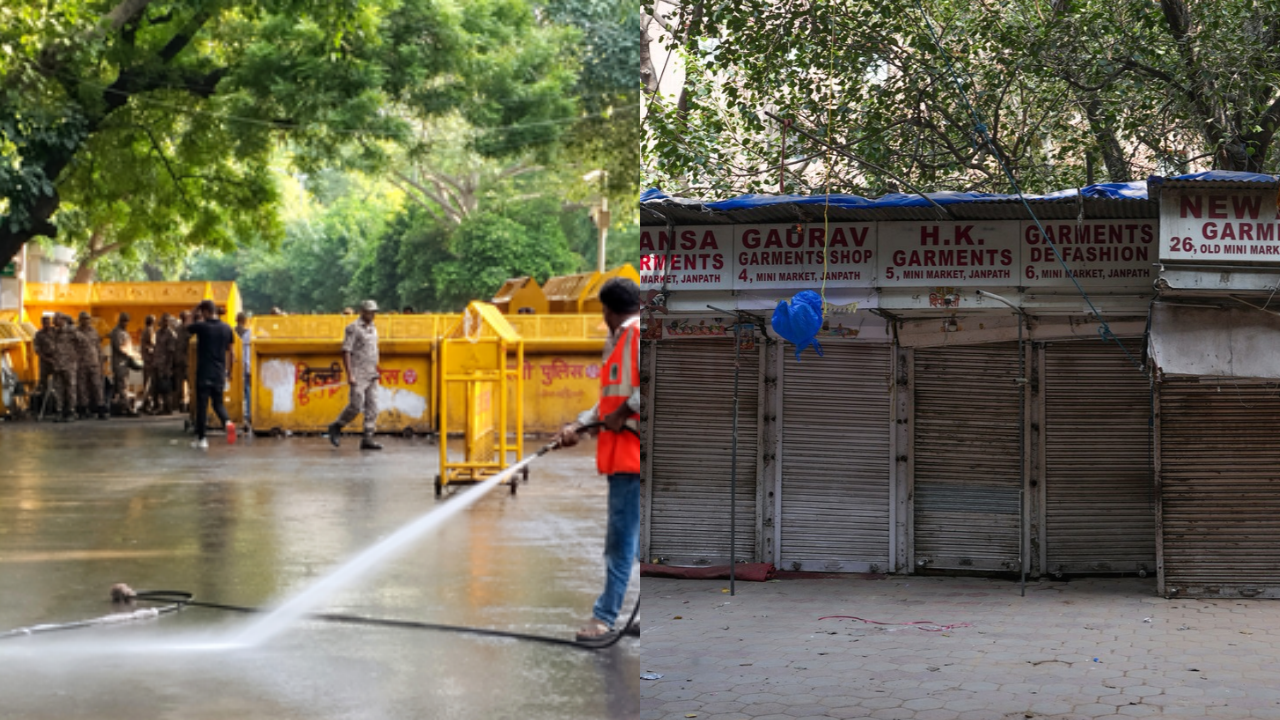
The municipal authority in Delhi announced that Jantar Mantar will no longer be classified as a designated protest area, a status that had previously allowed large gatherings to convene without special permits. The decision, justified on grounds of traffic management and public safety, was communicated through a circular that also stipulated stricter enforcement of crowd‑control measures. Within days, the number of daily visitors to the vicinity fell by an estimated 40 percent, according to informal counts by local shop owners, who reported a sudden drop in sales of food, beverages, and souvenir items.
For the merchants operating in the narrow lanes surrounding the monument, the loss of protest‑related footfall translates into a tangible reduction in revenue that threatens their ability to meet rent and wage obligations. Many of these vendors have operated for over a decade, relying on the predictable influx of demonstrators, media crews, and curious tourists. The abrupt policy shift has left them scrambling for alternative customer bases, with some considering relocation to busier markets or diversifying their product offerings to attract local residents instead of transient crowds.
The broader economic implication extends beyond individual shopkeepers. The decision may set a precedent for other civic spaces across the capital, potentially curbing the frequency of public demonstrations and altering the dynamics of civil discourse. Urban planners and civil society groups are likely to debate the balance between maintaining order and preserving the right to assemble, a tension that could influence municipal policies in other Indian cities over the coming year.
Comments 0