Pune Activists Detained en Route to Delhi, Released After MP Court Order
Fourteen students and activists travelling from Pune to Delhi were detained by Madhya Pradesh police but were subsequently released following a court order. This incident highlights the escalating friction between state authorities and civil society groups seeking to protest against election commission changes.
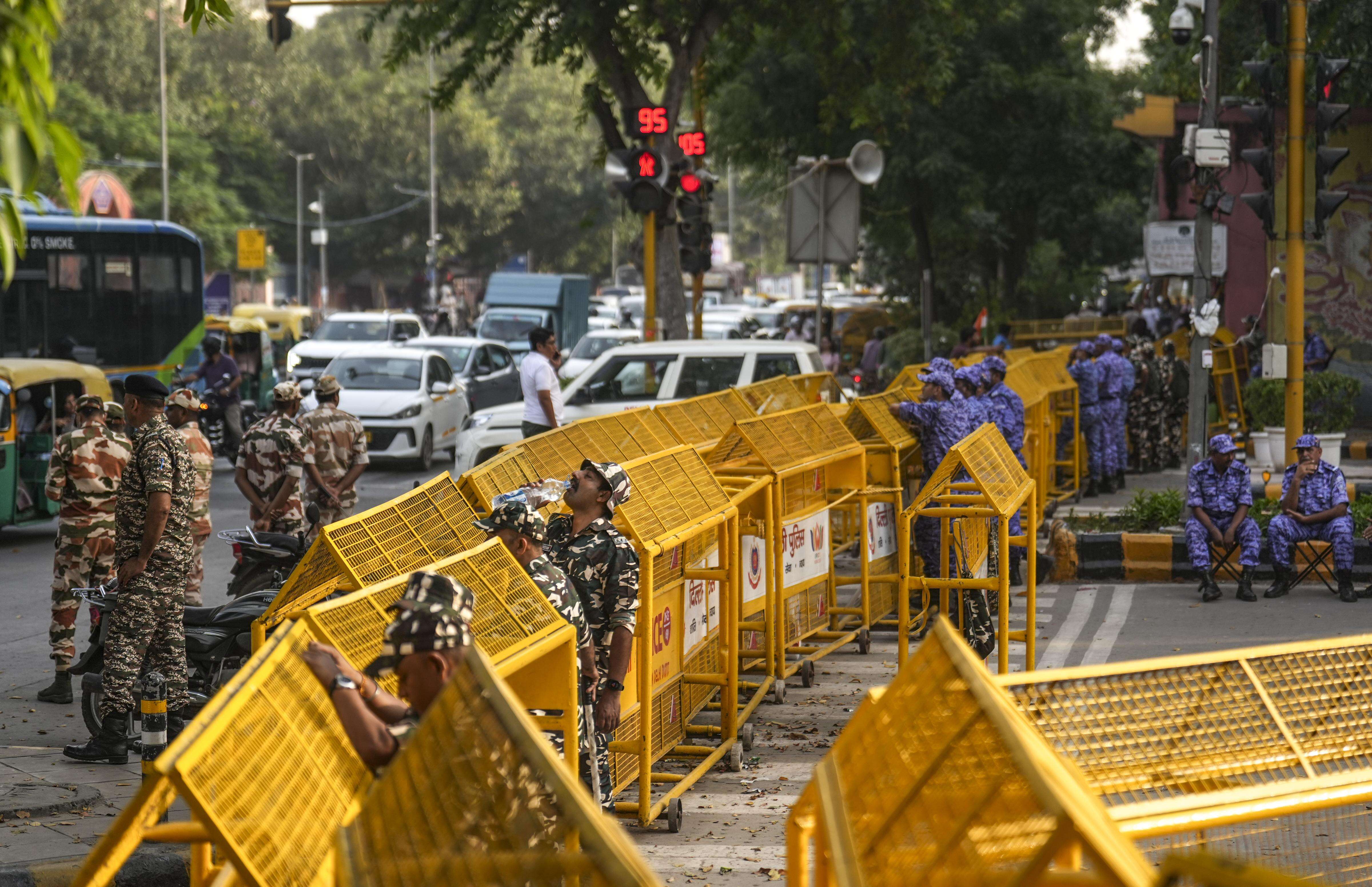
Fourteen students and activists from Pune were detained by Madhya Pradesh police while travelling to Delhi to participate in a protest against changes to voter lists. The detention was part of a broader effort by state authorities to prevent the convergence of protesters in the capital, where a large rally is expected. However, the activists were released after the Madhya Pradesh High Court issued an order directing the police to allow them to proceed. This incident is a concrete example of the legal and physical barriers that are being erected to impede political dissent, with the judiciary stepping in to protect the right to assemble.
The underlying tension in this case is the conflict between the state’s desire to maintain public order and the citizens’ right to protest. The police action in Madhya Pradesh reflects a strategy of containment, aiming to disrupt the logistics of the protest before it reaches its destination. The court’s intervention, however, underscores the legal limits of such actions and the importance of judicial oversight in protecting civil liberties. This friction is likely to intensify as the protest date approaches, with more states potentially taking similar measures to stop protesters from reaching Delhi.
The immediate outcome of this incident is the release of the detained activists, who are now free to continue their journey to Delhi. For the state, the court order is a setback in its containment strategy, but it also highlights the legal risks associated with such actions. The downstream impact will be seen in the broader protest movement, as this incident is likely to galvanise support for the cause and draw attention to the state’s heavy-handed approach. The long-term consequence is a potential increase in legal challenges against similar police actions, as civil society groups seek to protect their right to protest.
Comments 0