Pune Citizens Question Miyawaki Planting Amid Drought
Residents in Pune are challenging the decision to plant water-intensive Miyawaki forests on cleared land during a period of drought. The controversy highlights the conflict between ecological restoration goals and immediate water conservation needs.
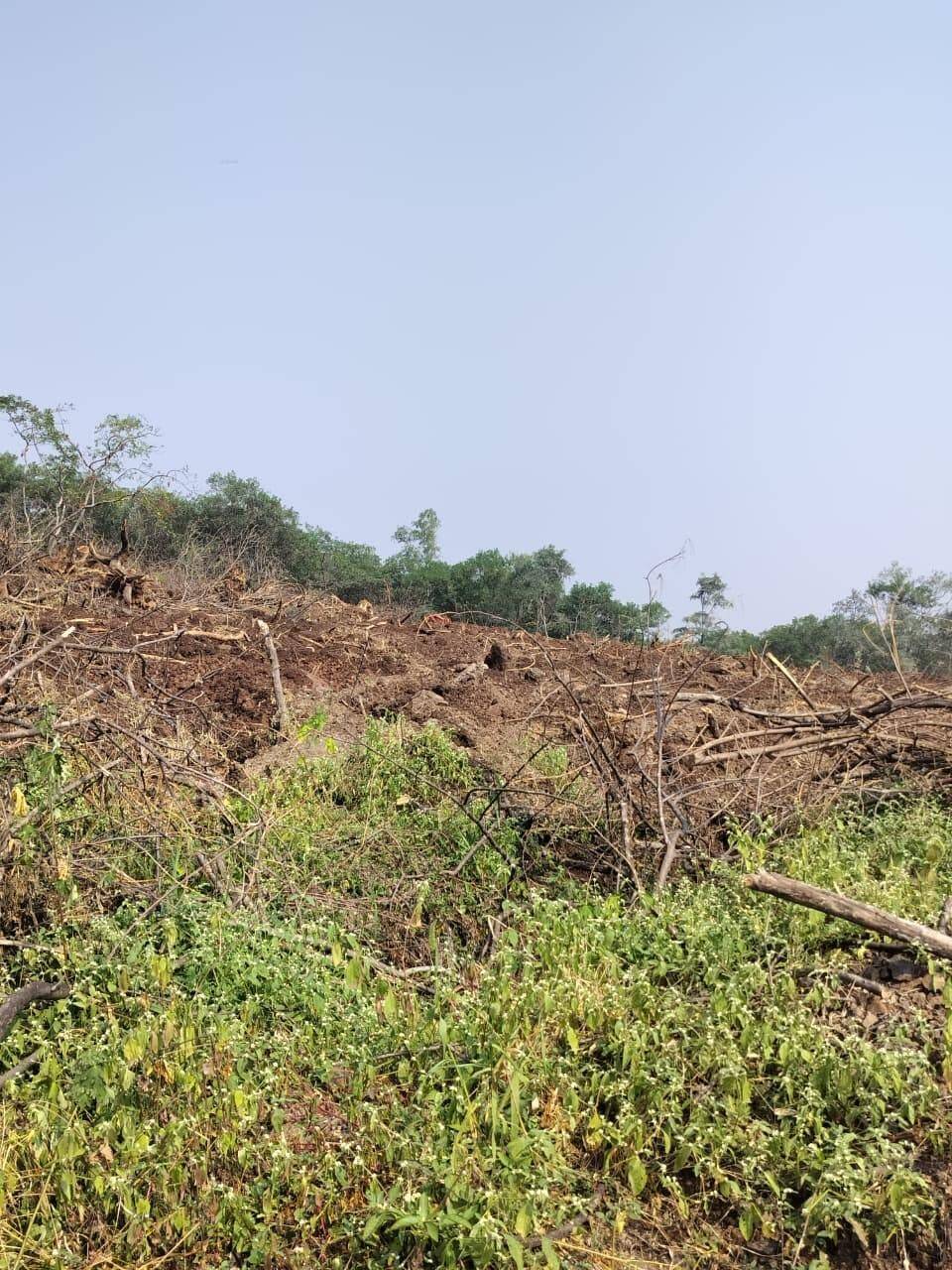
The concrete rupture is the public pushback against a specific afforestation strategy in Pune, where citizens are questioning the suitability of Miyawaki methods in a drought-affected region. The Miyawaki technique, while known for creating dense forests, requires significant water input in its initial stages, which is at odds with the current hydrological reality. This local dispute reflects a broader tension in environmental policy regarding the timing and method of ecological interventions.
The underlying tension involves the competing priorities of long-term ecological benefits and short-term resource management. Municipal authorities may be focused on meeting green cover targets, while residents are concerned about the strain on limited water resources. Institutional friction arises from the lack of clear guidelines on how to adapt afforestation strategies to changing climatic conditions, leading to ad hoc decisions that fail to account for local realities.
The downstream consequences include a potential reevaluation of urban forestry policies in water-stressed cities. If the Miyawaki project fails due to water scarcity, it could undermine public trust in government-led environmental initiatives. The tangible outcome is a call for more context-specific and climate-resilient planting strategies that balance ecological restoration with resource conservation.
Comments 0