Pune Households Adapt to Water Shortages with Aerators and Dual-Flush Kits
Residents in Pune are turning to water-saving devices such as aerators and dual-flush kits in response to ongoing supply cuts. This grassroots adaptation reflects the growing strain on urban water infrastructure and the need for individual action to mitigate the impact of scarcity.
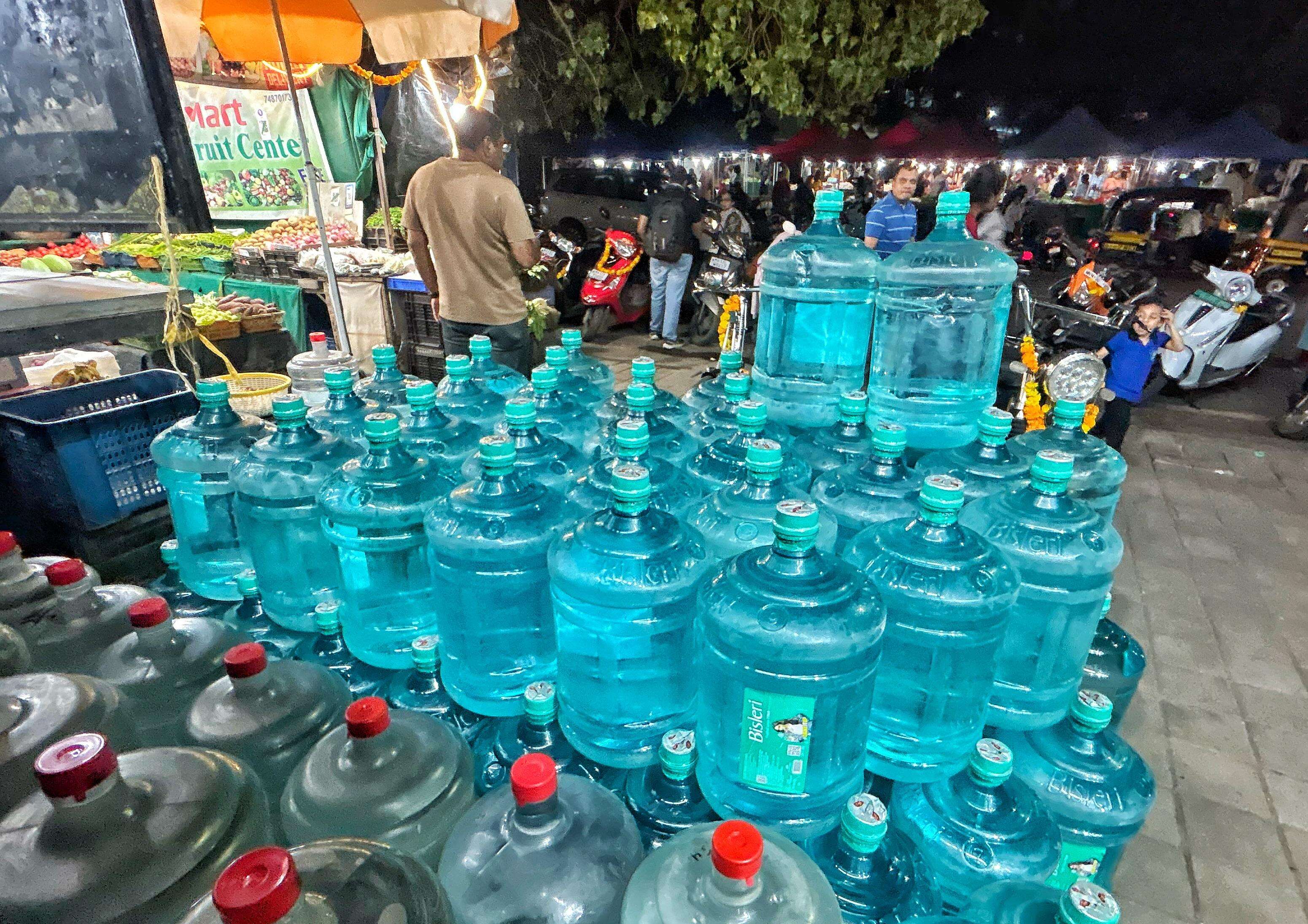
The concrete rupture in daily life for Pune residents is the widespread adoption of water-saving devices in response to supply cuts. This is not a temporary measure but a significant shift in household behavior, driven by the reality of water scarcity. The use of aerators and dual-flush kits represents a practical response to a systemic failure in water management, highlighting the gap between infrastructure capacity and demand.
The underlying tension involves the failure of municipal authorities to provide a reliable water supply, forcing residents to take matters into their own hands. The institutional friction is evident in the lack of coordination between water supply agencies and the needs of the population, leading to a situation where individual action is the only viable solution. This dynamic is exacerbated by the rapid urbanization of Pune, which has outpaced the development of water infrastructure.
The downstream consequences of this adaptation are significant, with the potential to reduce overall water consumption and alleviate pressure on the supply system. The tangible outcome is a more resilient community that is better equipped to handle future water shortages. The winners are the residents who can afford these devices and the environmental benefits that come from reduced water usage, while the casualties are those who cannot afford the devices and continue to face the brunt of the supply cuts.
Comments 0