Pune Municipal Surveillance Unmasks Dozens of Wanted Fugitives via Facial Recognition
Pune city police successfully identified seventy-six hardened criminals on active police records through automated artificial intelligence camera networks deployed across urban thoroughfares. This deployment marks a major escalation in municipal surveillance capabilities, shifting law enforcement from reactive investigation to real-time offender tracking.
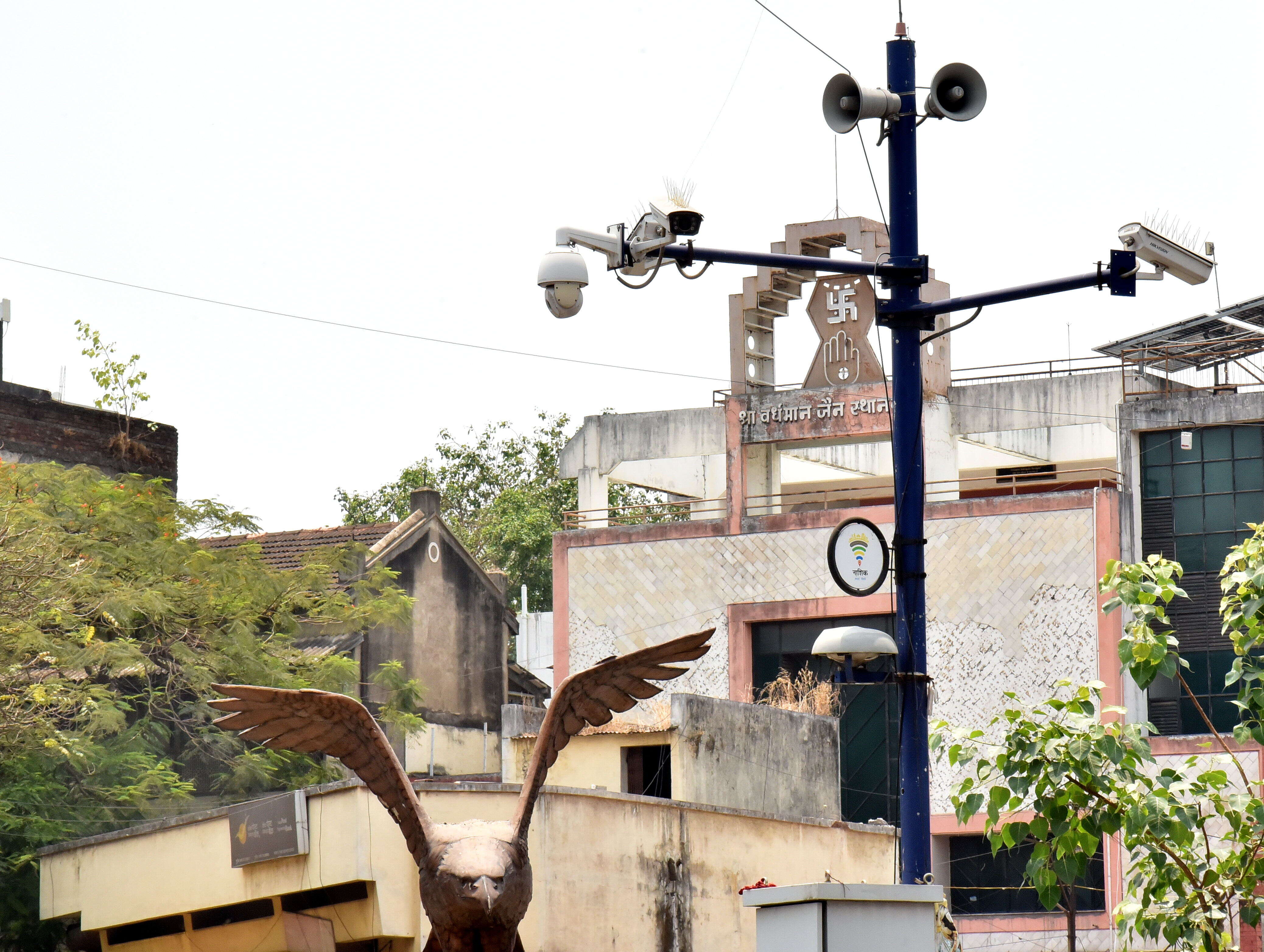
The integration of advanced computer vision algorithms into municipal CCTV infrastructure has fundamentally altered urban policing dynamics in western Maharashtra. By cross-referencing live video feeds against centralized criminal databases, law enforcement units flagged dozens of fugitives within days of system activation. The technology eliminates the traditional reliance on human memory and physical informants during routine patrols. Civil liberties advocates immediately raised pertinent questions regarding data privacy, algorithmic bias, and the absence of robust legislative oversight governing mass facial recognition. Police leadership defended the deployment as a necessary countermeasure against rising urban crime rates, emphasizing that the algorithms operate exclusively on publicly accessible streets. The friction between constitutional privacy rights and state security imperatives continues to define the legal battles surrounding municipal deployments. Proliferation of these surveillance tools will likely displace habitual offenders toward peripheral areas lacking advanced camera grids, shifting the geography of urban crime. For ordinary citizens, the presence of ubiquitous algorithmic eyes signals the quiet erosion of anonymity in public spaces. Accountability mechanisms must evolve rapidly to prevent overreach by law enforcement agencies wielding automated identification systems.
Comments 0