Pune’s Power Deficit: Grid Failure Fuels Diesel Boom and Economic Strain
Chronic power outages in Pune and Pimpri Chinchwad have triggered a surge in diesel demand, costing businesses lakhs of rupees daily. The infrastructure gap is now directly impacting industrial productivity and municipal revenue.
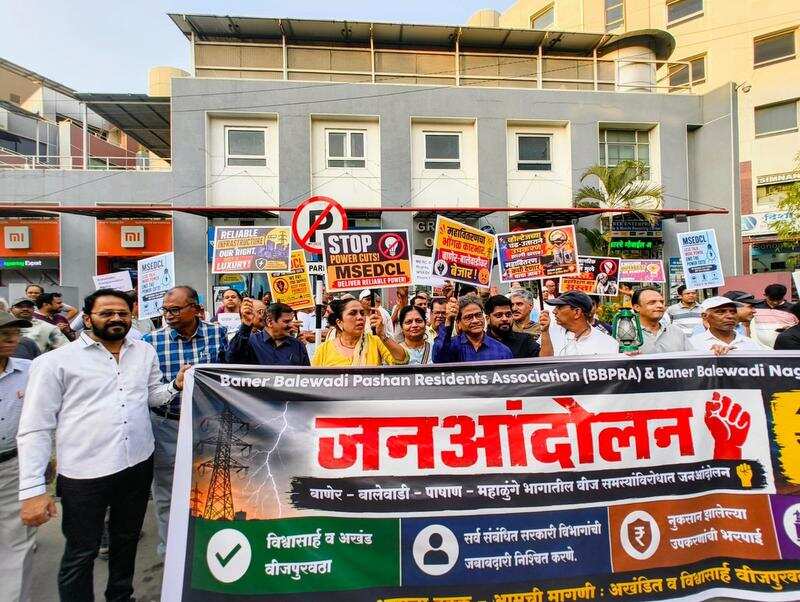
In the industrial corridors of Pune, the hum of diesel generators has replaced the steady current of the grid, creating a parallel economy of fuel consumption. Fuel pump owners report a dramatic spike in sales, with demand jumping to lakhs of rupees during major outages. This shift is not merely a logistical inconvenience; it represents a direct transfer of wealth from industrial operators to the fossil fuel sector, eroding the competitive advantage of the region’s manufacturing base.
The root of this crisis lies in the mismatch between rapid urbanization and infrastructure development. Pune and Pimpri Chinchwad have experienced explosive population and industrial growth, yet the power grid has failed to keep pace. Municipal authorities face criticism for their inability to secure stable power supply, leading to a situation where businesses must treat electricity as a variable cost rather than a fixed utility. This institutional failure forces firms to divert capital from expansion and innovation to cover the high cost of backup power.
The downstream impact is a slowdown in industrial output and a rise in operational costs for small and medium enterprises. As companies grapple with the unpredictability of power supply, they face increased pressure to relocate to regions with more stable infrastructure. The tangible outcome is a weakening of Pune’s position as a premier industrial hub, with the state potentially losing tax revenue and employment opportunities to better-serviced competitors.
Comments 0