Isheeta Ganguly on what if Charulata, Bimala and Kadambari Devi time-travelled to 2026
Cultural commentator Isheeta Ganguly imagined how three iconic women from Bengal's literary past would react if they arrived in 2026. She used the thought experiment to highlight changes in gender roles, technology and social norms over a century.
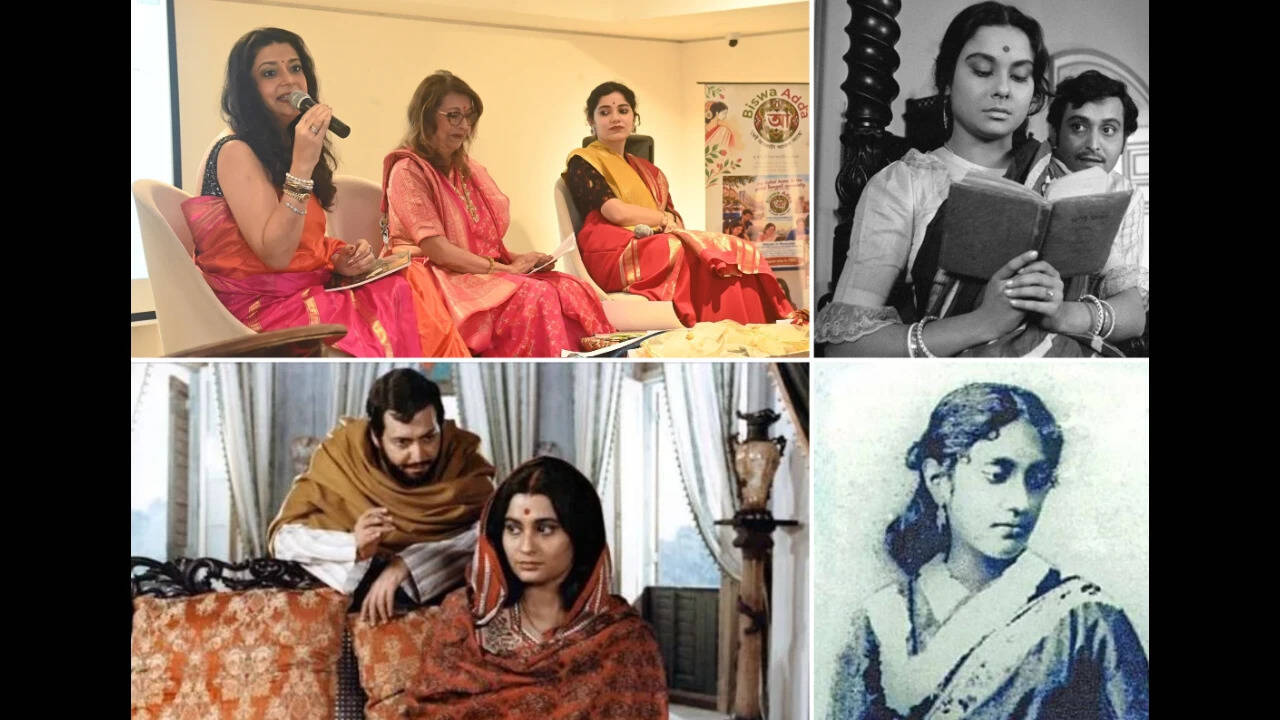
Isheeta Ganguly, known for her work on heritage and modern culture, presented a speculative discussion that placed Charulata, Bimala and Kadambari Devi in the year 2026. Charulata, the introspective wife from Rabindranath Tagore's novella and Satyajit Ray's celebrated film, represents the inner life of a woman confined by early twentieth‑century expectations. Bimala, a figure from early Indian fiction who navigated the tensions between tradition and emerging modernity, offers a contrasting viewpoint. Kadambari Devi, Tagore's sister‑in‑law and literary muse, is remembered for her influence on the poet's early work and her tragic early death.
In the imagined scenario, each woman would encounter a world dominated by digital communication, social media platforms and a legal framework that formally guarantees gender equality. Charulata might be astonished by the ability to express herself publicly through blogs or video diaries, while also noting that the loneliness she felt in a patriarchal household still echoes in the pressures of online visibility. Bimala could observe the shift from arranged marriages to personal choice, yet she might also question whether new freedoms have replaced old constraints with different expectations. Kadambari Devi would likely be moved by the presence of women scholars and artists who openly claim space in public discourse, while reflecting on how her own voice was once limited to private letters.
The conversation matters to readers in West Bengal because it connects a celebrated literary heritage with contemporary debates about women's agency and cultural identity. By picturing these historic figures in a modern setting, Ganguly encourages the audience to consider how far society has progressed and where gaps remain. The exercise also underscores the relevance of classic literature as a lens for examining present‑day challenges, reminding citizens that the stories of the past can still inform policy, education and everyday attitudes toward gender and technology.
Comments 0