Energy Realities Prompt Direct LNG Imports in Pakistan
Pakistan is actively considering permissions for power plants and private enterprises to execute direct spot-market LNG acquisitions. This policy shift follows severe supply interruptions tied to regional geopolitical conflicts affecting Qatari shipments.
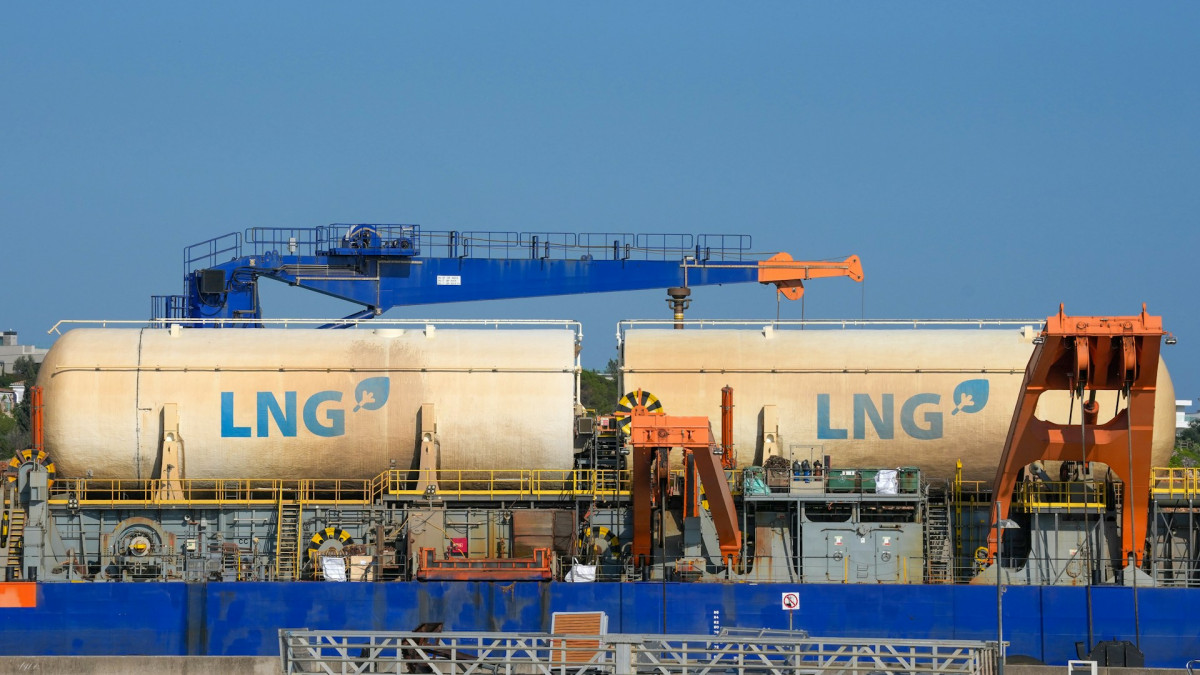
The structural failure of traditional term-supply agreements has forced Islamabad into an urgent reassessment of its national energy procurement architecture. Regional hostilities involving critical suppliers have crippled long-standing fuel delivery channels, leaving state utilities and industrial generators starved of baseline feedstock. Permitting direct spot-market acquisitions represents a radical departure from centralized importing models managed entirely through state-owned entities. Bureaucratic inertia and foreign exchange reserve constraints have historically hindered private sector participation in the country energy sector. Sovereign liquidity pressures compound the challenge, as independent power producers struggle to secure letters of credit necessary for international maritime cargo transactions. Energy ministry officials now confront the delicate task of deregulating import channels without inducing catastrophic currency depreciation or triggering domestic utility tariff spikes. The downstream reality points toward a fragmented energy market where financially resilient industrial concerns secure power while marginal consumers absorb escalating costs. International commodity traders stand to gain from direct commercial negotiations, bypassing traditional government intermediaries. Over the medium term, this structural pivot will permanently alter South Asian LNG pricing dynamics and reshape sovereign debt exposure for state energy importers.
Comments 0