Punjab and Haryana HC Orders Centre to Explore SSA Teacher Regularization
The Punjab and Haryana High Court has directed the central government to explore the regularization of Sarva Shiksha Abhiyan teachers, a move that could resolve a decade-long legal impasse. This judicial intervention highlights the fragility of India's primary education workforce and the political complexities of hiring in a federal structure.
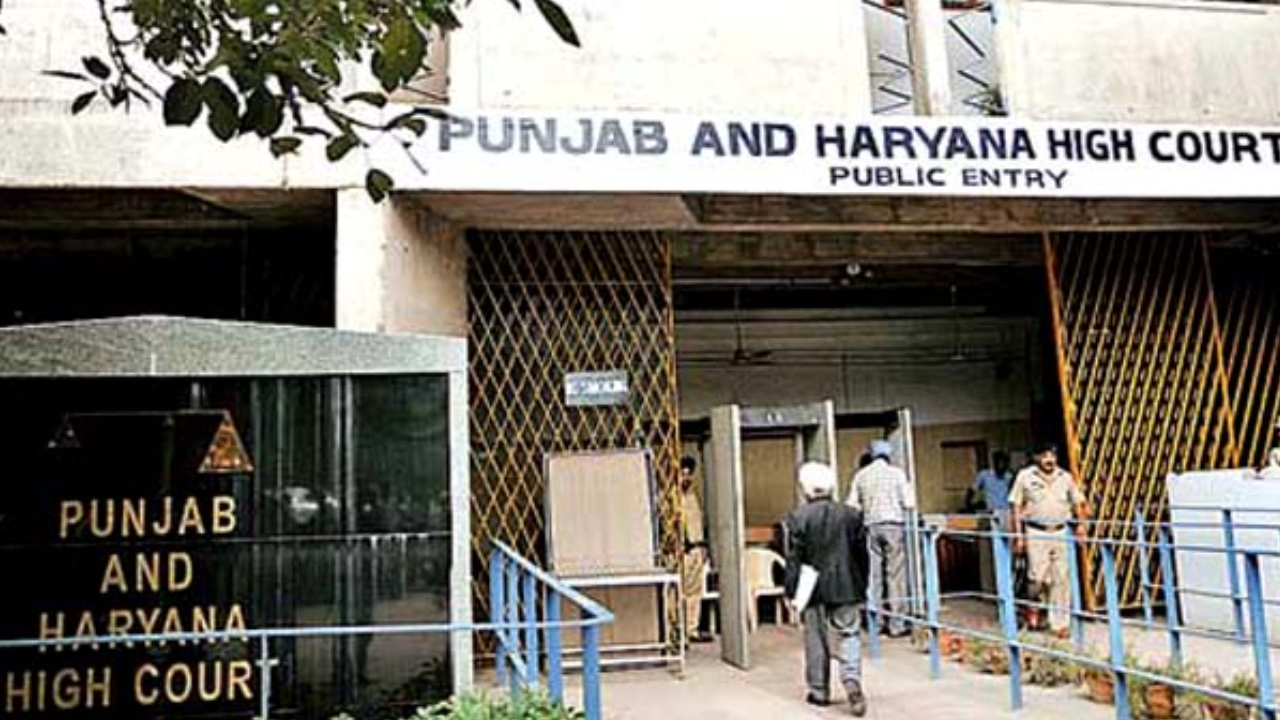
The Punjab and Haryana High Court has issued a significant directive, asking the central government to explore the regularization of teachers employed under the Sarva Shiksha Abhiyan (SSA) scheme. The concrete rupture is the judicial acknowledgment that these teachers, who have served for years, are in a state of legal limbo. The court's order places the onus on the Centre to find a legal pathway for their absorption, effectively challenging the previous stance that such positions are temporary and project-based. This move could set a precedent for similar cases in other states, where thousands of contract teachers are demanding permanent status.
The underlying tension is a clash between federal authority and state-level educational needs. The SSA scheme was a central initiative, but its implementation and staffing were largely managed by state governments. The current dispute arises from the ambiguity in the legal status of these teachers, who were hired under specific project guidelines that did not clearly define their long-term employment prospects. Institutional friction is evident in the reluctance of the Centre to commit to permanent hiring, citing budgetary constraints and the need for competitive recruitment processes. The court's intervention forces a re-evaluation of these positions, potentially opening the door to a new category of government employment.
The downstream impact will be significant for the education sector in Punjab and Haryana. Regularization would provide job security and morale boost to teachers, potentially improving the quality of primary education. However, it also raises questions about the fairness of the process, as other candidates who passed competitive exams may view this as an unfair advantage. The tangible outcome will be a complex legal and administrative process to determine the criteria for regularization, with implications for the future of public sector hiring in India.
Comments 0