Punjab Government Announces Free Power Scheme for High‑Income Households
Chief Minister Bhagwant Mann unveiled a program that will supply electricity at no cost to households whose annual consumption exceeds a defined threshold; the move is framed as a political outreach ahead of the 2027 state elections. Critics argue that the policy could strain the state's fiscal balance and set a precedent for other high‑spending constituencies.
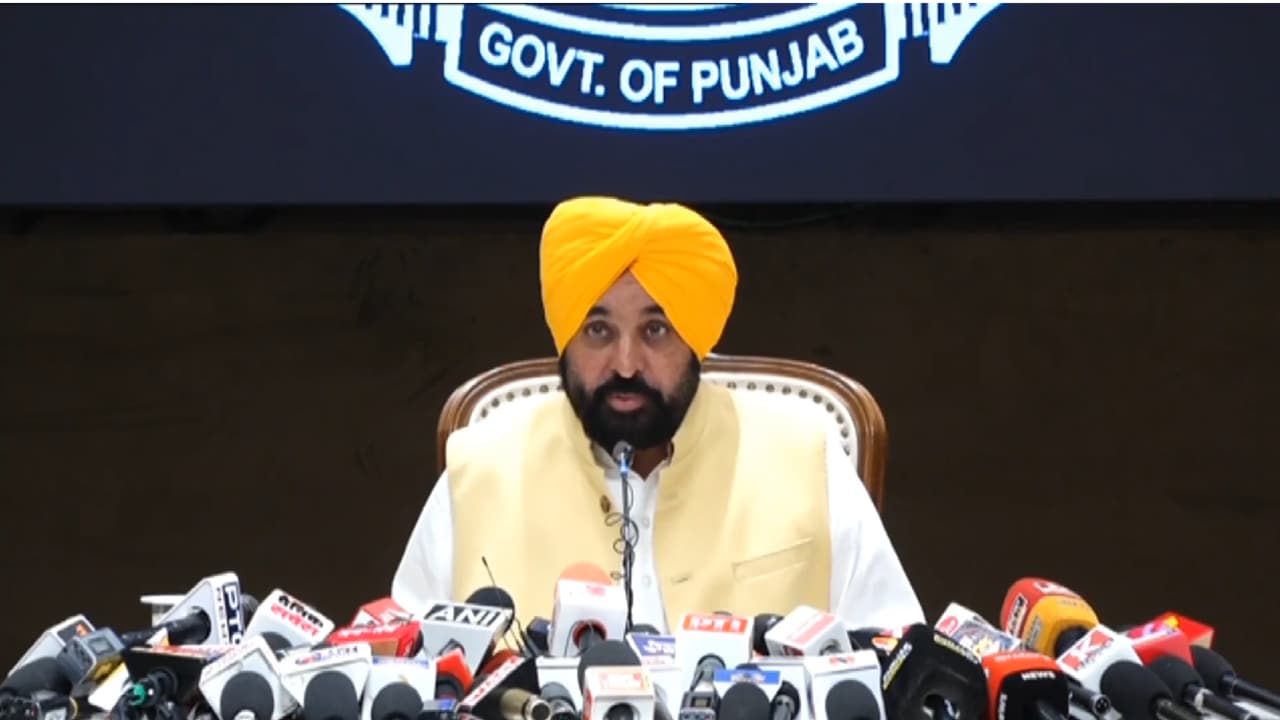
The Aam Aadmi Party administration in Punjab disclosed a welfare initiative that will grant free electricity to households classified as "crorepati" based on their consumption patterns, a decision that has been hailed by supporters as a bold gesture toward the state's affluent voters. The scheme will be funded through a combination of state subsidies and a modest surcharge on lower‑income consumers, creating a tiered pricing structure that aims to redistribute the fiscal burden. Early estimates suggest that the program could affect up to 200,000 households, translating into a yearly outlay of several hundred crore rupees.
Political analysts note that the timing of the announcement is strategically aligned with the party's preparation for the 2027 electoral contest, where the AAP seeks to consolidate its base among both the rural poor and the urban middle class. By extending a tangible benefit to wealthier constituents, the government hopes to neutralize opposition narratives that paint it as a party solely focused on welfare for the underprivileged. The move also places pressure on rival parties to propose comparable incentives, potentially igniting a fiscal competition that could reshape Punjab's budgetary priorities.
Economists warn that the free‑power scheme may exacerbate existing deficits in the state's power distribution companies, which already grapple with debt and delayed payments. If the subsidy is not offset by increased revenue from other sectors, the policy could lead to higher tariffs for low‑income households or compel the state to seek additional borrowing. Over the next twelve months, the financial strain may force a reassessment of the program's scope, with possible roll‑backs or a shift toward more targeted energy assistance.
Comments 0