Punjab Police's Digital Misstep: A High Court Challenge to Social Media Conduct
The Punjab and Haryana High Court has sought the DGP's response to a PIL challenging police videos on Instagram showing injured arrestees. This incident exposes the growing conflict between modern policing tactics and the ethical standards expected of law enforcement.
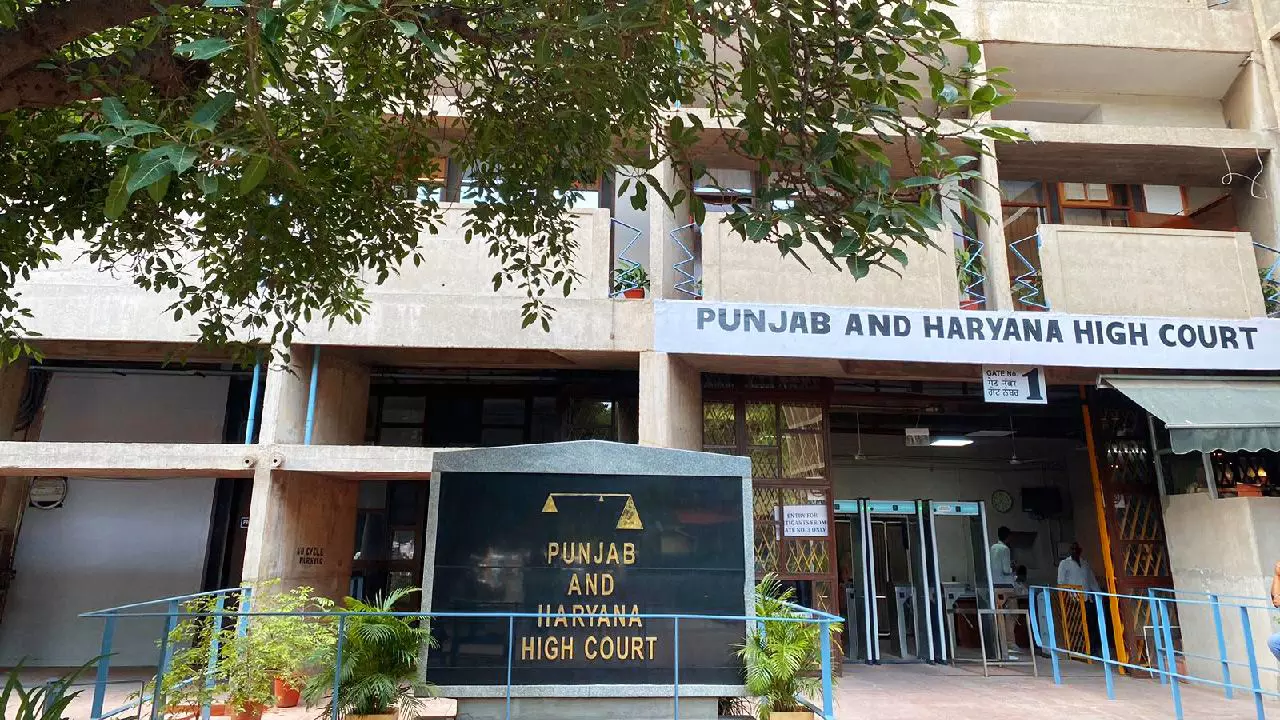
The Punjab and Haryana High Court has taken up a Public Interest Litigation (PIL) that challenges the Punjab Police's use of social media to showcase videos of injured arrestees. The court has directed the Director General of Police to respond to the allegations of misconduct and the violation of human dignity. This case highlights the problematic intersection of law enforcement and digital culture, where the desire for public approval and visibility can lead to the dehumanization of those in custody. The immediate impact is a formal judicial inquiry into the conduct of the police, which could result in disciplinary action and a broader review of social media policies within the force. The incident has sparked widespread outrage, with civil rights groups calling for an end to the glorification of violence in policing.
The underlying tension in this case reflects a deeper institutional friction between the traditional role of the police as protectors of the public and their evolving role as digital content creators. The use of social media to display injured individuals is not only ethically questionable but also potentially illegal, as it violates the right to privacy and dignity. The court's intervention underscores the need for clear guidelines on the use of social media by law enforcement, ensuring that their actions align with constitutional values. This friction is exacerbated by the lack of training and oversight in many police departments, where officers may not fully understand the legal and ethical implications of their online behavior.
The downstream consequences of this case will likely include the implementation of strict social media policies for police forces across India, with dedicated units to monitor and review online content. For the officers involved, there is a risk of disciplinary action, which could serve as a deterrent to similar behavior in the future. For the public, this case reinforces the importance of holding law enforcement accountable for their actions, both online and offline. The court's decision will also influence the broader discourse on the role of social media in policing, potentially leading to new laws or regulations that govern the digital footprint of state agencies.
Comments 0