Punjab's Public Transport Gridlock: Three Lakh Workers Halt State Services
A sustained industrial action by over three lakh government employees and roadways workers has paralyzed public bus services across Punjab, exposing the fragility of state infrastructure. Negotiations have collapsed, leaving commuters stranded and highlighting a deepening rift between the state administration and its workforce.
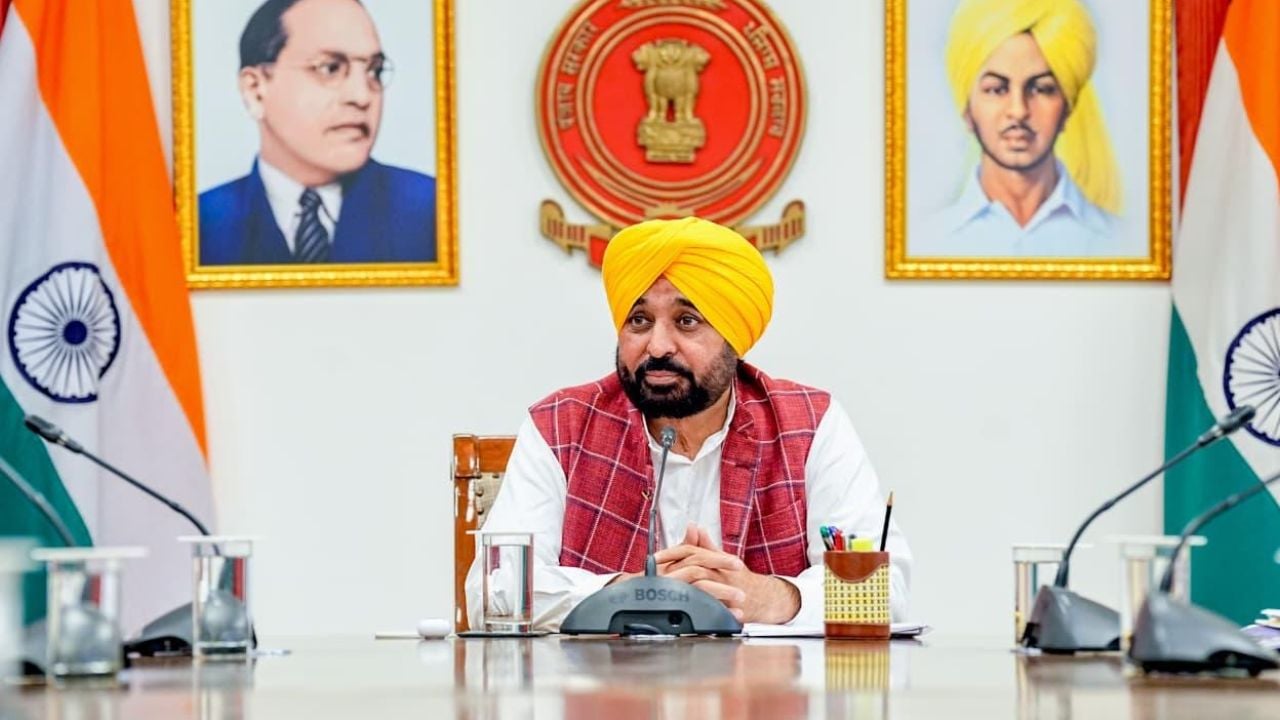
The streets of Punjab have fallen silent as a massive wave of industrial action takes hold, with more than three lakh government employees and roadways workers joining a coordinated strike. The Punjab Roadways, PUNBUS, and PRTC Contract Workers' Union have effectively shut down bus services across the state, creating a logistical vacuum that disrupts daily life for millions. This is not merely a protest; it is a systemic halt that reveals the extent to which the state's public transport network relies on a workforce that feels increasingly marginalized and unheard by the administration.
The breakdown in negotiations has left both sides entrenched in a position of mutual intransigence, with no immediate breakthrough in sight. The underlying tension stems from long-standing grievances regarding pay, working conditions, and the status of contract workers, who form a significant portion of the transport workforce. The state government's failure to address these core issues has allowed the dispute to fester, transforming routine labor disagreements into a crisis of public order and service delivery that threatens to erode public trust in state institutions.
The immediate casualties of this standoff are the ordinary commuters who depend on public transport for their livelihoods, facing extended travel times and the loss of reliable connectivity. The prolonged nature of the strike also imposes a financial burden on the state, as lost revenue and the cost of potential legal challenges mount. This gridlock serves as a stark reminder that without a resolution to the labor dispute, the state's ability to function effectively remains in jeopardy, with the potential for further escalation if the impasse persists.
Comments 0