Punjab's Stubble Burning Crackdown: 795 FIRs Signal a New Era of Enforcement
Authorities in Punjab have registered 795 First Information Reports against farmers for burning crop residue, marking a significant escalation in enforcement efforts. This aggressive legal approach aims to curb air pollution but risks deepening the agrarian crisis in the state.
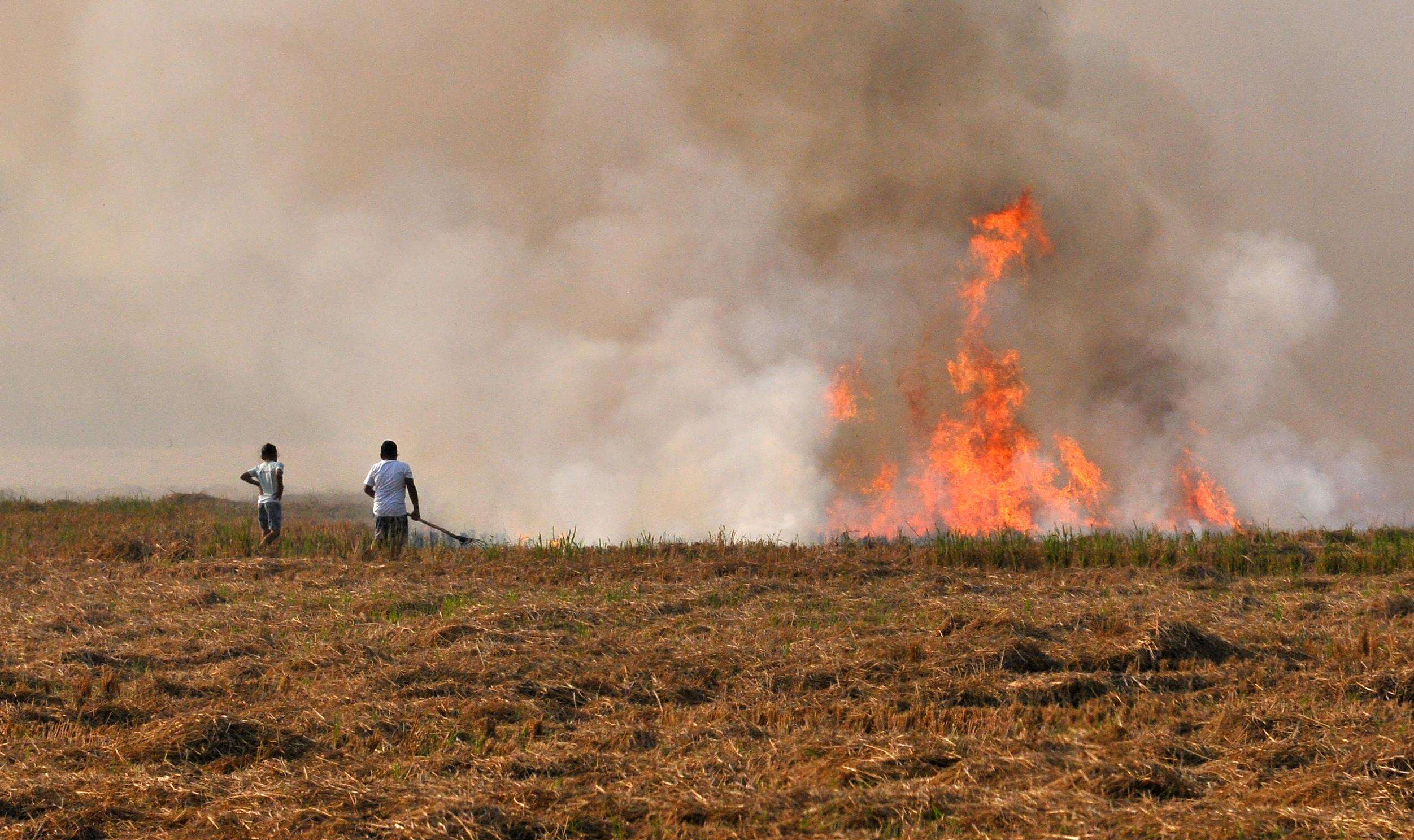
The state of Punjab has taken a decisive, albeit controversial, step in its battle against air pollution by registering 795 FIRs against farmers for the practice of stubble burning. This move represents a shift from advisory measures to punitive legal action, signaling a determination to enforce environmental regulations regardless of the economic hardship faced by the agricultural community. The high number of cases indicates a widespread non-compliance that has persisted for years, driven by the cost and availability of alternative machinery.
The underlying tension is rooted in the structural challenges of Punjab's agricultural economy. Farmers, many of whom are smallholders, lack the financial resources to invest in expensive stubble management equipment. The reliance on burning is a rational, if environmentally damaging, response to the high costs of compliance. The state's decision to pursue legal action against these farmers exacerbates the existing agrarian distress, adding the burden of legal fees and potential imprisonment to their already precarious financial situation.
The downstream consequences of this enforcement strategy are . While it may lead to a short-term reduction in air pollution, it risks alienating a key voting bloc and deepening the rural-urban divide. The legal system will be burdened with a surge in cases, many of which may be dismissed due to lack of evidence or financial inability to pay fines. In the long run, this approach may fail to address the root causes of stubble burning, leading to a cycle of enforcement and non-compliance that undermines the credibility of environmental governance in the region.
Comments 0