Punjab's Welfare Continuity Promise Amidst Political Uncertainty
Punjab's political leadership has assured the continuation of welfare schemes regardless of the election outcome, aiming to stabilize public expectations and mitigate economic anxiety. This pledge reflects the deep entrenchment of welfare politics in the state and the high stakes of the upcoming electoral contest.
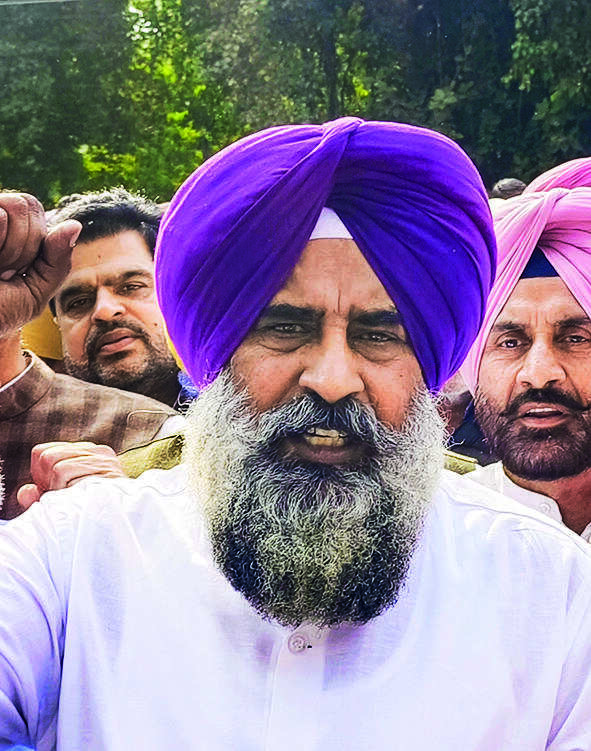
The assurance by Punjab's political leadership that welfare schemes will continue regardless of the election outcome is a strategic move to stabilize public sentiment in a state where such benefits have become a cornerstone of political identity. This pledge, made by Pargat, is a direct response to the anxiety among beneficiaries who fear the disruption of their livelihoods and social security in the event of a change in government. The immediate shockwave is a reinforcement of the political narrative that welfare is a right, not a privilege, and that any government must uphold this commitment to maintain public trust.
The underlying tension is between the political need for continuity and the fiscal realities of the state. Punjab's welfare schemes, while popular, are a significant burden on the state's budget, and their continuation depends on the government's ability to manage its finances effectively. The friction between the political promise of continuity and the economic constraints of the state is a major challenge, particularly in a state that has been grappling with debt and fiscal distress. The leadership's assurance is an attempt to bridge this gap, but it also raises questions about the long-term sustainability of these schemes.
The tangible outcome of this pledge is a potential increase in voter turnout and engagement, as citizens feel that their welfare is secure regardless of the political outcome. However, it also places a significant burden on the incoming government, which must find ways to fund these schemes without exacerbating the state's fiscal problems. The casualties of this political maneuver are the taxpayers, who may face higher taxes or reduced public spending in other areas to fund the welfare schemes. The government must carefully balance its political commitments with its fiscal responsibilities to ensure the long-term stability of the state.
Comments 0