Purnia Family Enacts Symbolic Funeral After Daughter Marries Across Caste Lines
A traditional household in Bihar performed mortuary rites for their eighteen-year-old daughter following her marriage to a Dalit partner. The episode highlights the persistence of violent social conservatism and ritual excommunication within rural family structures.
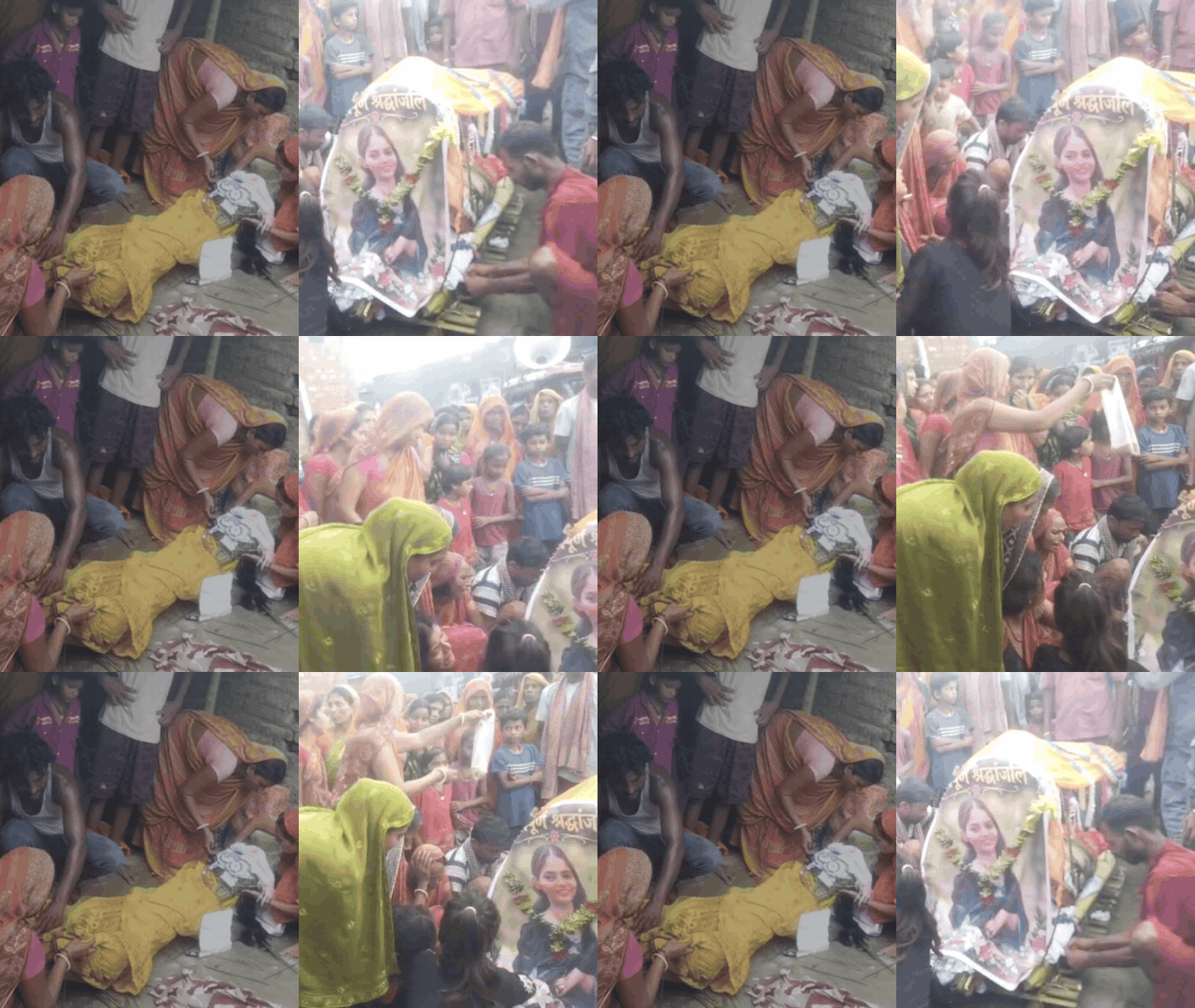
In a rural household in Purnia, a family executed a public ritual of symbolic death, burning effigies and conducting final funerary rites for their living daughter. The young woman had eloped and married her partner of three years across deeply entrenched caste boundaries, defying familial authority and patriarchal custom. Initially reported as a missing person case driven by parental fear of abduction, the situation transformed into an act of ritualized ostracism once the daughter confirmed her consensual union to local authorities. This incident lays bare the intense social anxiety governing marital alliances in rural Bihar, where caste endogamy functions as an unwritten constitution enforced by community surveillance. The performance of funeral rites for a living relative represents a psychological expulsion mechanism, allowing families to salvage social standing within traditional hierarchies by completely erasing the dissident member from the lineage. Local law enforcement faces a delicate mandate, balancing the protection of adult autonomy against the cultural pressures exerted by aggrieved kinship networks. The immediate outcome leaves the newlywed couple in extreme social isolation, requiring police protection to navigate daily life within the district. On a broader systemic level, such rituals reinforce the silent intimidation faced by inter-caste couples across northern India, discouraging social mobility and challenging the enforcement of constitutional rights at the village level.
Comments 0