Quarter Century After Post September Eleven Hate Crime, Legacy of Balbir Singh Sodhi Resonates Across Sikh Diaspora
The twenty fifth anniversary of the murder of Balbir Singh Sodhi, the first victim of a post September eleven fatal hate crime in the United States, has reignited discussions on diaspora vulnerability and civil rights protections. Commemorative gatherings in Arizona and Punjab highlight the persistent challenges faced by religious minorities in Western nations.
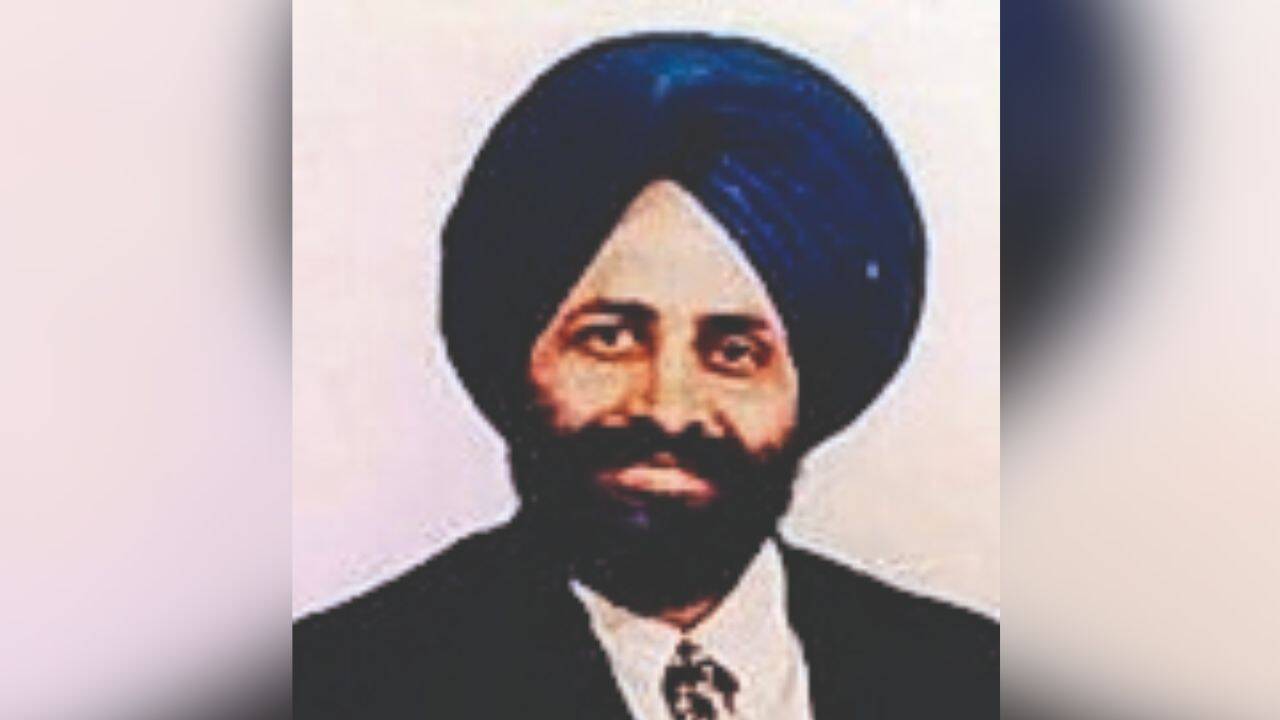
Twenty five years after Balbir Singh Sodhi was targeted and killed outside his Arizona gas station in the emotional aftermath of September eleven, family members and civil rights activists gathered across Punjab and the United States to honor his memory. As the first documented fatal hate crime victim in America post terror attacks, Sodhi death marked a traumatic watershed moment for the global Sikh community. The anniversary has mobilized diaspora organizations to demand robust legislative frameworks against xenophobic violence and misdirected hate. The incident exposed an enduring structural vulnerability for turbaned Sikhs living in Western societies, where visible identity markers are frequently misidentified during times of national trauma. Despite decades of community outreach, educational initiatives, and law enforcement training, civil advocacy groups point to systemic gaps in hate crime documentation and institutional protection. The tension between cultural integration and visible religious expression continues to define the daily lived experience of diaspora populations in North America. The legacy of this violence continues to dictate security spending and community organizing within the Sikh diaspora. Temples and community institutions across North America now allocate significant financial resources toward private security systems and legal defense funds. In Punjab, families with migrating relatives express persistent anxieties regarding safety abroad, forcing community organizations to intensify their lobbying efforts for stronger transnational hate crime monitoring mechanisms.
Comments 0