Rahul Gandhi Calls for Open Debate Over Prime Minister’s Foreign Assistance Claim
During a parliamentary session, Rahul Gandhi accused Prime Minister Narendra Modi of relying on foreign support to secure his mandate, demanding a public debate. The allegation has ignited a fierce political confrontation that could reshape the election narrative.
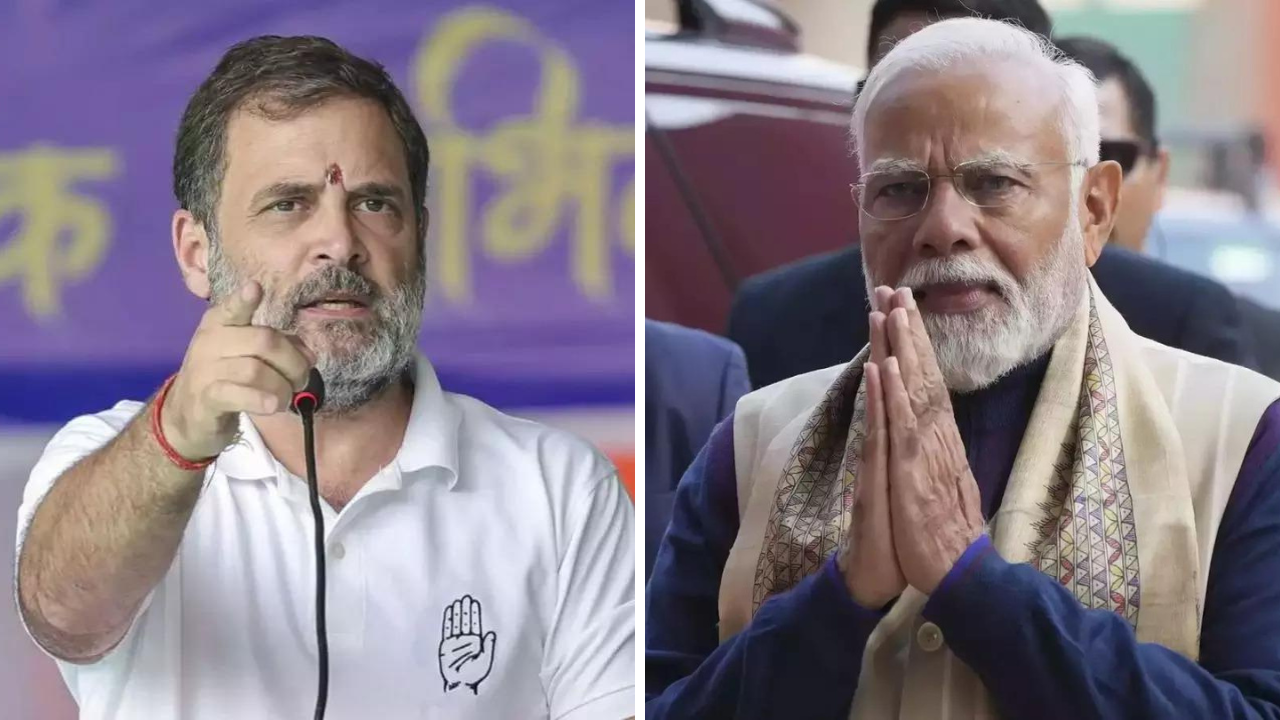
In a recent address to the Lok Sabha, Rahul Gandhi asserted that the Prime Minister’s ascent to power was significantly aided by external actors, a claim that struck at the core of the ruling party’s nationalist rhetoric. By framing the issue as a matter of sovereignty, Gandhi sought to force the government into a televised or parliamentary debate, thereby exposing any undisclosed foreign engagements. The challenge arrives at a time when the ruling coalition is consolidating its position ahead of upcoming state elections, making the stakes particularly high.
The opposition’s tactic reflects a broader strategy to question the legitimacy of the incumbent administration’s foreign policy decisions, especially those involving strategic partnerships and defense procurements. Political analysts note that such a direct confrontation could either erode the Prime Minister’s standing among undecided voters or reinforce his base’s perception of external threats. The debate, if it materialises, would likely involve scrutiny of diplomatic cables, trade agreements, and intelligence collaborations that have hitherto been shielded from public view.
Should the demand for a debate be met, the immediate outcome would be a heightened media focus on India’s international alignments, potentially influencing voter sentiment in key constituencies. If the government rebuffs the call, it may consolidate its narrative of internal stability and external hostility, further polarising the electorate. In either scenario, the episode illustrates the potency of parliamentary discourse as a lever for political change in India’s democratic system.
Comments 0