Rajasthan High Court Flags Property Valuation Gap, Raises Black‑Money Alarm
The Rajasthan High Court issued a suo motu notice on the widening disparity between market property values and official circle rates, warning of systemic black‑money circulation. The judgment has prompted immediate scrutiny of land‑record databases and revenue collection mechanisms.
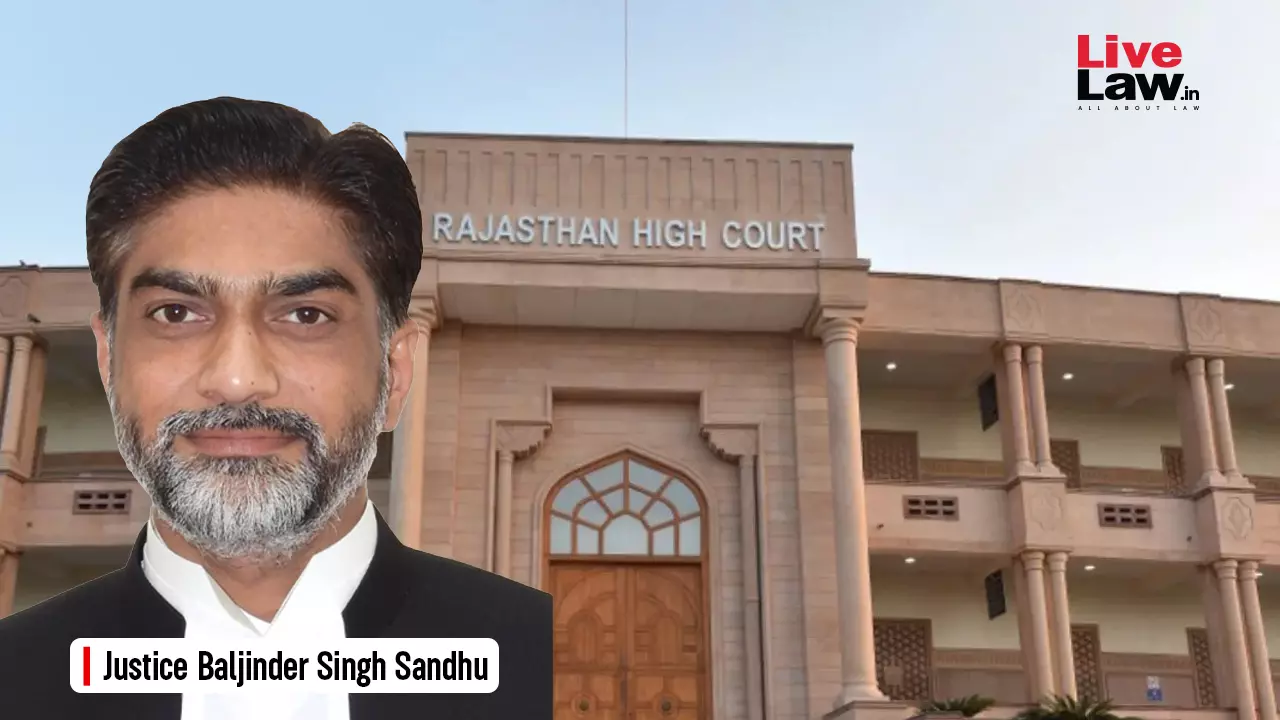
The concrete rupture was signalled when the bench of the Rajasthan High Court formally recorded the chasm between the declared market price of land parcels and the statutory circle rates used for tax assessment, noting discrepancies that in some cases exceeded a factor of two. The court’s order demanded a comprehensive audit of land‑registry entries, directing the state revenue department to reconcile valuations and halt any transactions that appeared to exploit the gap for illicit profit. The ruling also called for the publication of a transparent schedule of circle rates to curb opaque pricing.
Underlying tension emerges from the entrenched interests of developers, brokers and political actors who have historically leveraged the valuation mismatch to facilitate under‑the‑table payments and tax evasion. The court’s intervention disrupts a long‑standing equilibrium that allowed speculative buying and selling to flourish under the guise of legal compliance. Moreover, the judgment arrives at a time when Rajasthan’s fiscal health depends heavily on land‑related revenue, intensifying the clash between revenue generation and anti‑corruption imperatives.
Downstream casualties are already materialising as the state’s land‑record offices scramble to update databases, incurring administrative costs and delaying pending transactions. Potential investors may reconsider projects pending clarification of true land costs, while existing owners could face higher tax liabilities as circle rates are adjusted upward. The heightened scrutiny is expected to tighten the flow of unaccounted capital, thereby reducing the pool of illicit funds that have historically fed into parallel economies and political patronage networks.
Comments 0