Rajasthan High Court Leverages India‑US Treaty to Serve Rape Complainant Abroad
The court invoked the Mutual Legal Assistance Treaty with the United States to deliver a summons to a complainant residing in America, marking a rare cross‑border legal maneuver. The move signals an assertive stance by Indian judiciary in pursuing accountability beyond national borders.
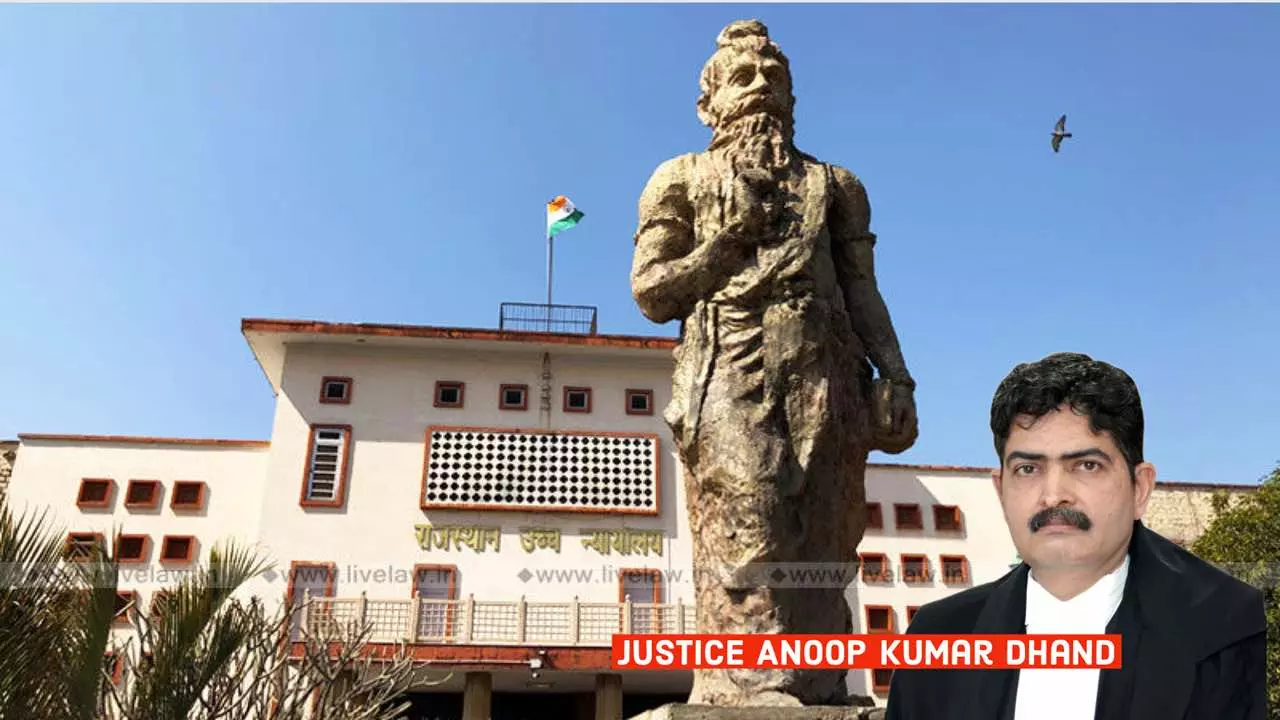
In a landmark procedural decision, the Rajasthan High Court exercised provisions of the India‑US Mutual Legal Assistance Treaty to serve a legal notice on a woman who had lodged a rape complaint while abroad. The court’s order bypassed conventional diplomatic channels, opting instead for a direct judicial request that compels cooperation from U.S. authorities. This approach underscores the judiciary’s willingness to harness international agreements to reinforce domestic law enforcement objectives.
The summons arrives amid a broader national discourse on sexual violence and the challenges of prosecuting cases that span jurisdictions. Critics argue that such extraterritorial actions may strain diplomatic ties, while advocates contend that the precedent strengthens victims' access to justice regardless of geography. The decision also places pressure on law enforcement agencies in both countries to coordinate evidence collection, witness testimony and procedural safeguards.
Looking ahead, the ruling may embolden other Indian courts to invoke similar treaties, potentially reshaping the procedural for transnational crimes. Legal scholars anticipate a rise in treaty‑based requests, prompting both India and partner nations to refine protocols for mutual assistance. The ripple effect could extend to other domains, such as cybercrime and financial fraud, where cross‑border cooperation is increasingly indispensable.
Comments 0