Vande Bharat Sleeper Train Set to Redefine Bengaluru‑Mumbai Corridor
The forthcoming Vande Bharat sleeper service promises to cut travel time between Bengaluru and Mumbai to sixteen hours, with fares ranging from Rs 2,600 to Rs 4,250. The launch is poised to shift passenger preferences from air travel to high‑speed rail, reshaping regional mobility patterns.
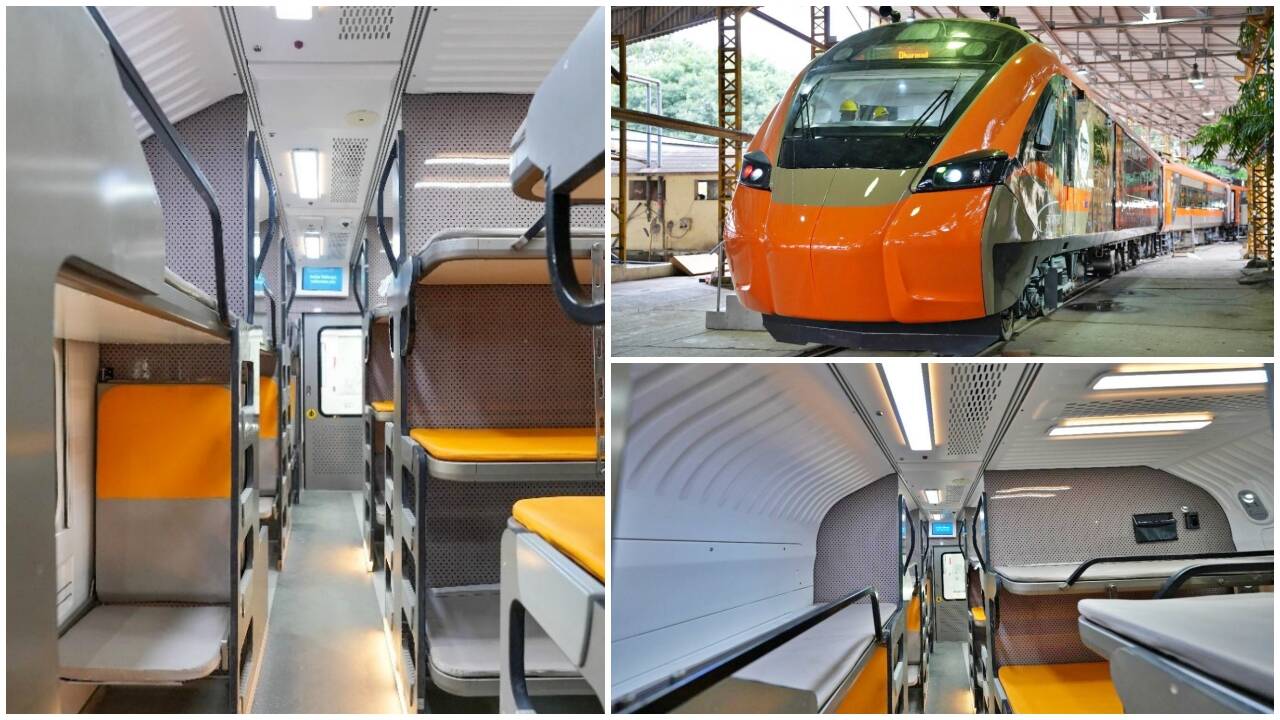
The Indian Railways’ introduction of a sixteen‑coach Vande Bharat sleeper train marks a strategic upgrade to the Bengaluru‑Mumbai axis, a corridor that has long suffered from congestion and limited premium options. By reducing the journey from the current twenty‑four hours to just sixteen, the service offers a compelling alternative to budget airlines, especially for travelers seeking comfort without the hassles of airport security. The tiered fare structure, spanning Rs 2,600 for economy seats to Rs 4,250 for premium berths, aims to capture a broad socioeconomic spectrum.
Operational readiness involves extensive coordination among multiple railway zones, upgrades to track infrastructure, and the deployment of advanced signaling systems to sustain higher speeds safely. The project also reflects a broader governmental push to modernize the rail network, aligning with the ‘Make in India’ ethos by utilizing domestically produced rolling stock. Stakeholders anticipate ancillary benefits, such as increased tourism, smoother logistics for business travelers, and a reduction in carbon emissions compared to short‑haul flights.
In the longer term, the sleeper’s success could trigger a cascade of similar high‑speed services across other high‑density corridors, prompting a reallocation of investment from road to rail. The competitive pressure on airlines may lead to fare adjustments and a reevaluation of route profitability. Moreover, the enhanced connectivity is expected to stimulate economic integration between Karnataka and Maharashtra, fostering joint ventures and labor mobility that could reshape regional growth trajectories.
Comments 0