Rajasthan High Court Orders Appointment of Administrative Member to Civil Services Tribunal
The Rajasthan High Court has directed the appointment of an administrative member to the Jodhpur Service Tribunal by November 30, failing which the Chief Secretary must appear in court. This ruling highlights the ongoing dysfunction in the state's judicial and administrative systems.
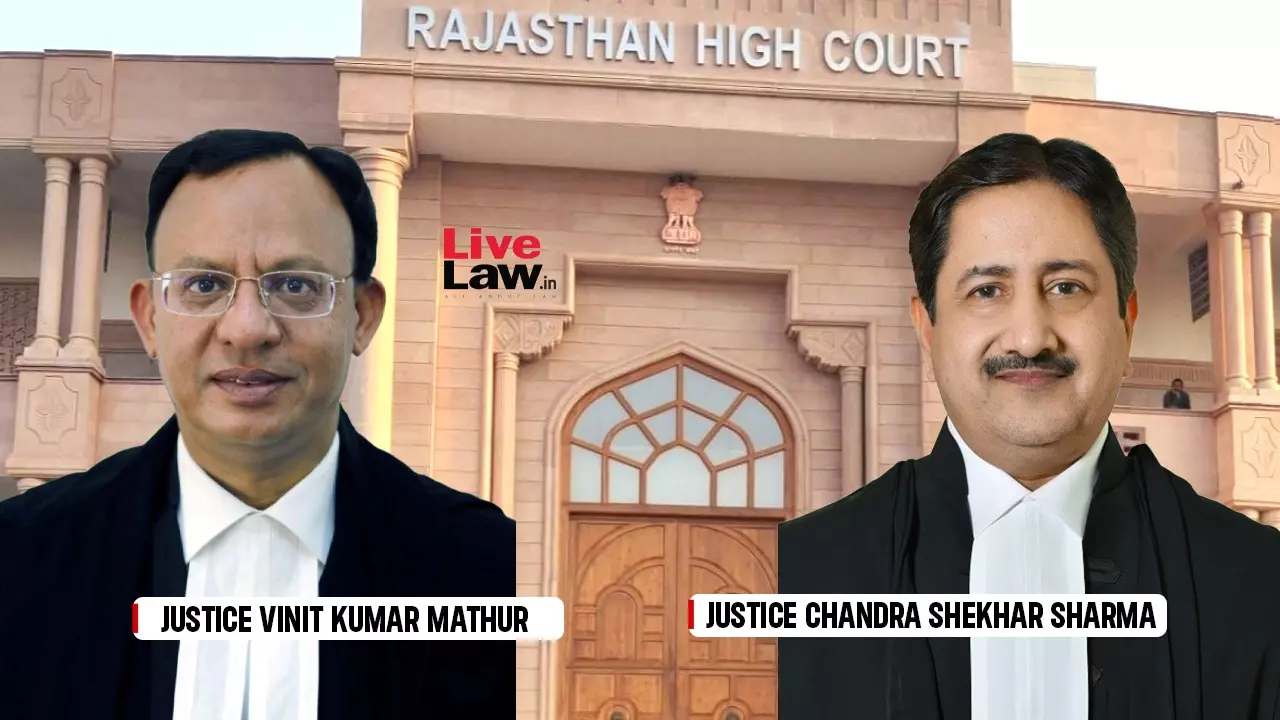
The concrete rupture in Rajasthan's administrative justice system is the High Court's directive to appoint an administrative member to the Jodhpur Service Tribunal. This order, issued with a strict deadline, underscores the critical importance of this role in ensuring the proper functioning of the tribunal. The immediate shockwave is a potential legal challenge to the state's administrative processes, as the absence of this member has likely hindered the resolution of service-related disputes.
The underlying tension is the persistent neglect of the judicial and quasi-judicial institutions in the state. The institutional friction is evident in the delay in appointing a key member, which reflects a broader pattern of administrative inefficiency and lack of accountability. This friction is exacerbated by the high volume of service-related cases, which require timely and effective resolution to maintain public trust in the system.
The downstream casualties are the employees and citizens who rely on the tribunal for justice. The tangible outcome is a potential backlog of cases and a delay in the resolution of disputes, which can have significant financial and personal implications for the individuals involved. This ruling highlights the need for a more proactive and accountable approach to the appointment of judicial and administrative personnel, ensuring that the system functions effectively and efficiently.
Comments 0