RSS Accelerates Grassroots Expansion in West Bengal with 5,000 New Shakhas
The Rashtriya Swayamsevak Sangh has launched an aggressive drive to open 5,000 new shakhas in West Bengal, signaling a strategic push to consolidate its presence in a historically left-leaning state. This expansion is a direct challenge to the existing political order and aims to build a durable grassroots network for future electoral contests.
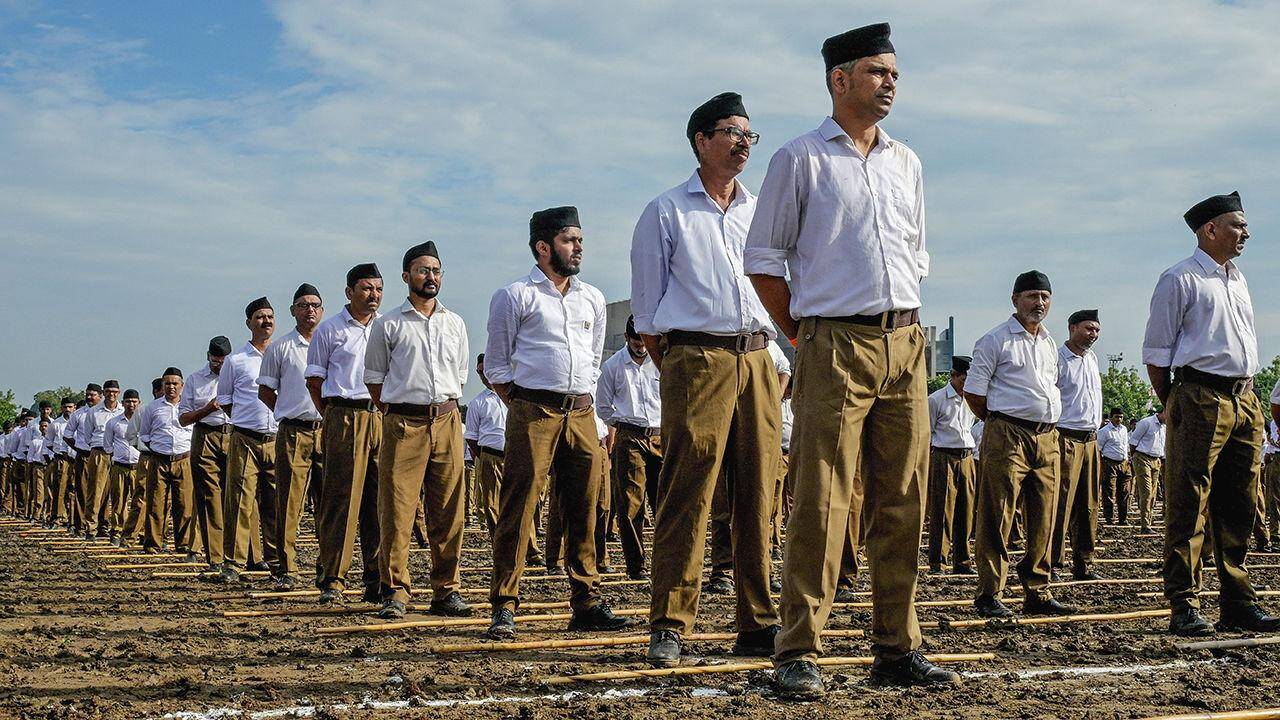
The Rashtriya Swayamsevak Sangh's decision to open 5,000 new shakhas in West Bengal over a 10-day period is a calculated move to alter the political demographics of the state. West Bengal, long a bastion of the Left Front and later the Trinamool Congress, has been a key target for the RSS's organizational expansion. By establishing a dense network of local units, the RSS aims to create a parallel infrastructure that can mobilize voters and influence public opinion, effectively challenging the dominance of the ruling party at the grassroots level.
The underlying tension in West Bengal is a clash of political ideologies and organizational models. The ruling party relies on a strong leader-centric model, while the RSS is building a decentralized, cadre-based network that is less susceptible to individual political shocks. This institutional friction is evident in the local politics, where the RSS's presence is often met with resistance from local political leaders who see it as a threat to their power base. The expansion is also a response to the changing political , where the BJP's national success has created an opening for its ideological wing to deepen its roots in the state.
The downstream impact of this expansion is likely to be a more polarized political environment in West Bengal. The RSS's shakhas will serve as a platform for mobilizing voters, organizing protests, and influencing local governance. This could lead to an increase in political violence and social tension, as the new network competes with existing political structures for influence. The long-term consequence is a shift in the state's political balance, with the RSS playing a more prominent role in shaping the electoral outcome and policy direction.
Comments 0