Rural Infrastructure Failure Forces Bullock Cart Transport for Pregnant Woman in Madhya Pradesh
A medical emergency in rural Madhya Pradesh exposed severe infrastructure deficits when an ambulance became trapped in heavy monsoon mud. Local villagers were forced to transport a laboring pregnant patient on a traditional bullock cart to reach medical care.
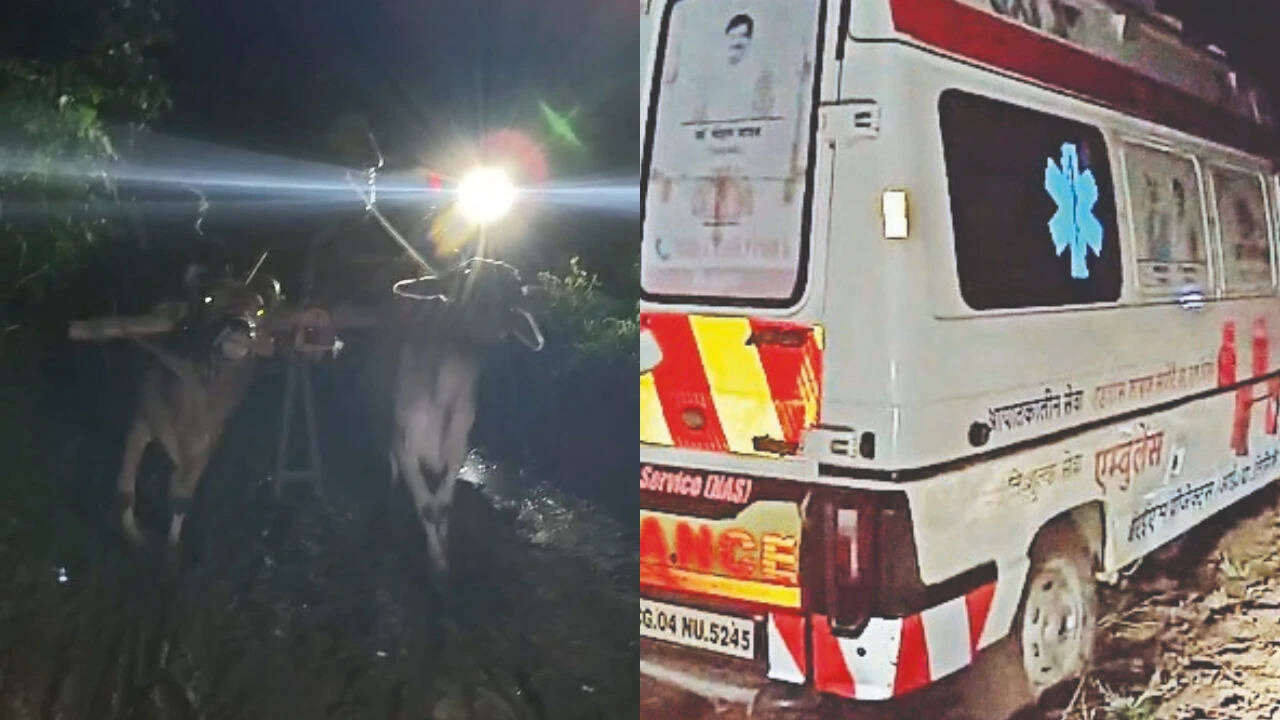
The monsoon rains transformed rural arterial pathways into impassable bogs, cutting off remote settlements from timely emergency medical intervention. When a dispatch vehicle bogged down miles away from the primary healthcare center, family members had to improvise transport using draft animals. This harrowing journey underscores the persistent vulnerability of healthcare access in non-urban districts despite national road-building initiatives. Local administrative inertia and delayed monsoon maintenance schedules are frequently blamed for these recurring logistical breakdowns. While municipal authorities promise periodic grading of rural tracks, funding allocations rarely translate into all-weather bituminous surfaces before the seasonal downpours begin. The incident highlights a systemic disconnect between high-level health delivery metrics and the physical reality of rural geography. Expectant mothers in marginalized districts continue to bear the immediate physical risks of these infrastructural gaps, facing heightened maternal morbidity outcomes. Civil society organizations are leveraging the episode to demand accountability from district development officers regarding emergency vehicle routing protocols. Without guaranteed all-weather connectivity, similar emergency failures will recur with every monsoon cycle.
Comments 0