Russia's Diesel Surge: A Sanctions Loophole That Bypasses the United States
Russia's diesel exports have doubled following the lifting of sanctions by the Trump administration, yet not a single shipment has reached the US. This divergence highlights the complex dynamics of global energy trade and the limitations of sanctions as a policy tool.
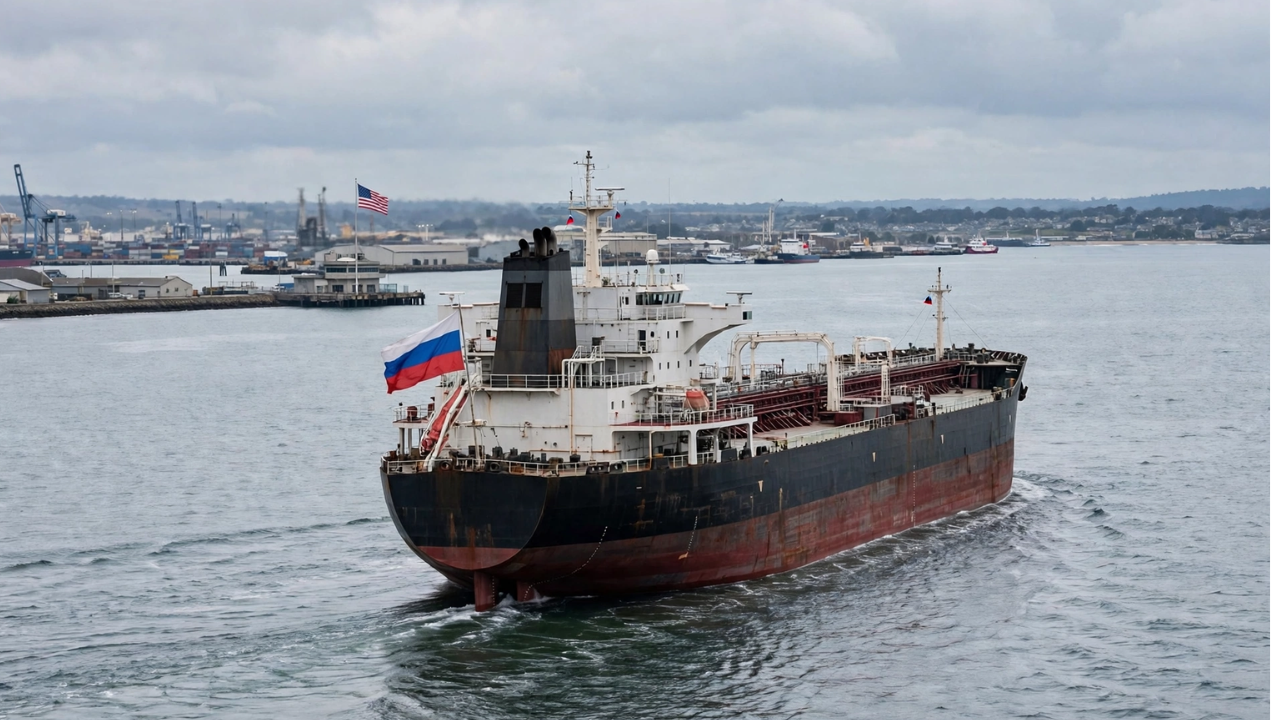
The lifting of sanctions on Russian diesel exports by the Trump administration has led to a 100% surge in Russia's diesel exports. However, the absence of any shipments to the United States reveals a nuanced reality in global energy markets. The immediate shockwave is a shift in trade flows, with Russian diesel finding new markets in other regions. This development underscores the complexity of sanctions policy and its unintended consequences. The US, despite lifting the sanctions, has not benefited from the increased supply, suggesting that other factors, such as logistics and market demand, are at play.
The underlying tension is between the political intent of sanctions and the economic realities of global trade. Sanctions are often used as a tool of geopolitical leverage, but their effectiveness is limited by the interconnectedness of global markets. The fact that Russian diesel is not reaching the US despite the lifting of sanctions suggests that the US market is not the primary target of these exports. This could be due to existing supply chains, regulatory hurdles, or simply a lack of demand. The institutional friction here is between the US government's desire to control energy flows and the market's tendency to seek the most profitable opportunities.
The downstream consequences of this trade shift are significant for global energy markets. The increased supply of Russian diesel could lead to lower prices in other regions, benefiting consumers and industries in those areas. However, it also raises concerns about the environmental impact of increased fossil fuel consumption. The 12-month outlook for the global diesel market is one of volatility, with prices likely to fluctuate based on geopolitical developments and supply chain disruptions. The US's failure to benefit from the lifted sanctions is a reminder that energy policy is a complex and issue that requires a nuanced approach.
Comments 0