Russia’s Oil Export Earnings Decline as Production Falters
Russia’s seaborne crude exports fell to a four‑week low after a temporary shutdown at the Baltic port of Primorsk, dragging down monthly export revenue. The dip signals mounting pressure on the country’s fiscal stability amid sanctions and production constraints.
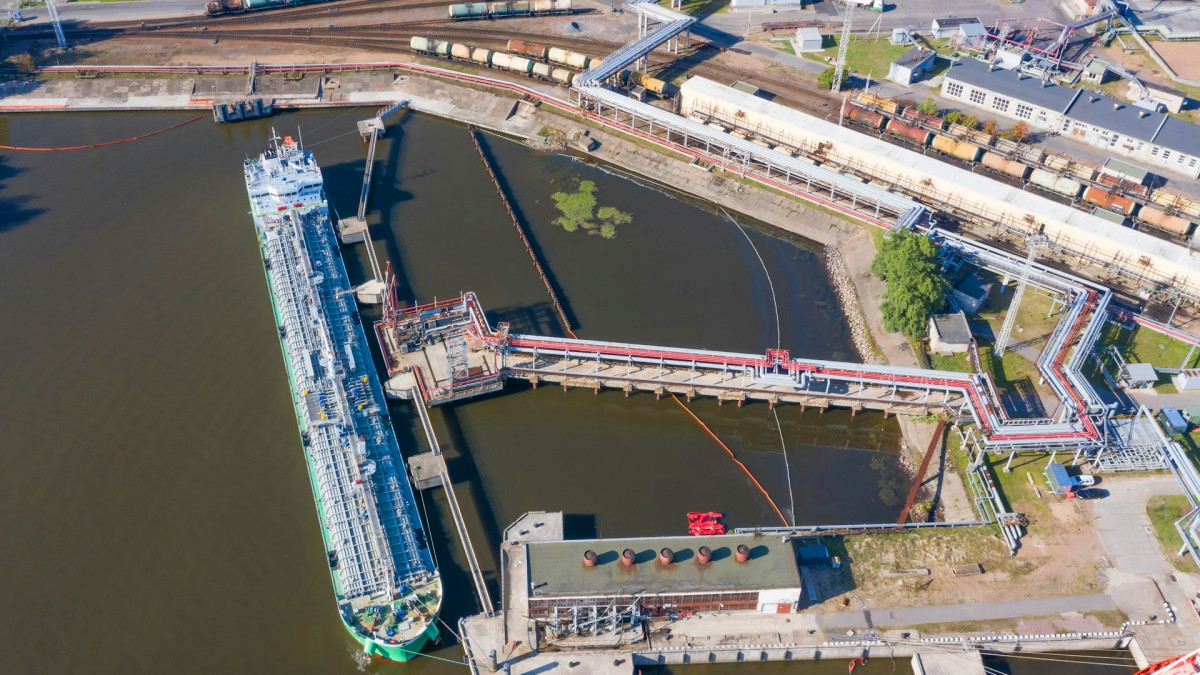
The concrete rupture manifested when tanker‑tracking data compiled by Bloomberg showed that Russia’s oil shipments from the Baltic port of Primorsk were halted for several days, reducing the average export volume to 3.59 million barrels per day over a four‑week span. This interruption, caused by technical failures and heightened regulatory scrutiny, pushed the nation’s oil export revenue to its lowest level in a month, a stark contrast to the robust figures recorded earlier in the year. Analysts attribute the decline to a combination of aging infrastructure, sanctions limiting access to Western financing, and a strategic shift toward alternative export corridors.
Underlying tension now centres on the fiscal ramifications for the Russian state, whose budget heavily relies on hydrocarbon earnings to fund public services and defence spending. The revenue shortfall has intensified debates within the Kremlin about accelerating the pivot to non‑oil sectors, such as gas and mineral exports, while also prompting discussions on price‑setting mechanisms to stabilise cash flow. International observers note that the production dip may embolden Western policymakers to maintain or tighten sanctions, further constraining Russia’s ability to modernise its oil sector.
The downstream casualties are already evident in the domestic economy, where reduced oil income threatens to curtail subsidies, delay infrastructure projects, and strain the ruble’s stability. Energy‑dependent regions may experience slower growth, and foreign investors are likely to reassess exposure to Russian assets, potentially leading to capital outflows. Over the next twelve months, the sustained revenue pressure could compel Moscow to negotiate new trade arrangements with Asian partners, reshaping global oil supply dynamics and influencing price volatility on international markets.
Comments 0