Scientific Study Flags Dangerous Spread of Antibiotic Resistance Genes Across Soil and Water Systems
Recent environmental research in West Bengal has documented the widespread dissemination of antibiotic resistance genes through local soil and water networks. The findings highlight an escalating public health crisis driven by agricultural runoff and untreated municipal waste.
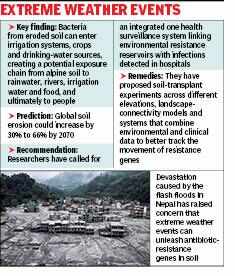
A comprehensive environmental study conducted in West Bengal has revealed alarming concentrations of antibiotic resistance genes circulating freely within regional soil and aquatic ecosystems. Researchers traced the contamination vectors back to unmonitored pharmaceutical effluent, intensive livestock farming, and inadequate sewage treatment facilities. These environmental reservoirs act as genetic exchange hubs, allowing pathogenic bacteria to acquire multi-drug resistance long before infecting human populations. The study underscores a systemic regulatory failure in managing industrial and agricultural waste across rapidly urbanizing regions. While regulatory bodies focus heavily on visible environmental pollutants, microscopic genetic pollution remains largely unregulated and unmonitored. Local industries have consistently resisted expensive waste-treatment mandates, prioritizing short-term profit margins over long-term ecological and public health safety. The downstream casualties of this environmental contamination will be clinical healthcare systems facing untreatable bacterial infections among vulnerable populations. As resistant strains proliferate through local food chains and water supplies, standard medical interventions for common bacterial illnesses will lose efficacy. This ecological crisis demands an urgent overhaul of environmental discharge standards and pharmaceutical manufacturing oversight to prevent widespread epidemiological failures.
Comments 0