Scottish Coast Sees Revival of Wild Oysters After Century‑Long Absence
Conservationists have successfully re‑introduced wild oysters to the Dornoch Firth, ending a 100‑year local extinction. The effort marks a milestone in marine restoration along Scotland’s northern shoreline.
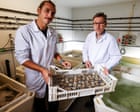
Scientists working in the Dornoch Firth have cultivated juvenile oysters from carefully selected broodstock, releasing them into waters where the species vanished after over a century of over‑exploitation and habitat loss. The restored population, now visible as clusters of rough‑shelled juveniles, demonstrates that targeted breeding and habitat enhancement can reverse long‑standing ecological damage. Researchers attribute the success to improved water quality, the creation of artificial reefs, and stringent monitoring protocols that protect the nascent colonies from predation.
The project has navigated institutional friction between environmental NGOs, local fisheries, and governmental bodies responsible for marine stewardship. While conservation groups champion the ecological benefits, some commercial fishers expressed concerns about competition for space and potential impacts on existing shellfish operations. Negotiations resulted in a co‑management framework that allocates specific zones for oyster growth while preserving traditional fishing grounds, illustrating a collaborative approach to resource governance.
The downstream impact extends beyond biodiversity. Revived oyster beds can filter substantial volumes of seawater, enhancing overall marine health and supporting adjacent fish populations. For coastal communities, the resurgence offers a prospective new source of sustainable income through responsibly harvested oysters, diversifying the local economy. If the pilot proves durable, similar restoration models may be replicated along other parts of the Scottish coastline, contributing to national targets for marine ecosystem recovery.
Comments 0