Semiconductor Surge Promises 100,000 High-Paying Jobs
India's semiconductor industry is poised to create over 100,000 jobs within three years, with senior engineers commanding salaries up to six times those in traditional IT services. This shift signals a fundamental rebalancing of the country's tech workforce toward high-value manufacturing and design roles.
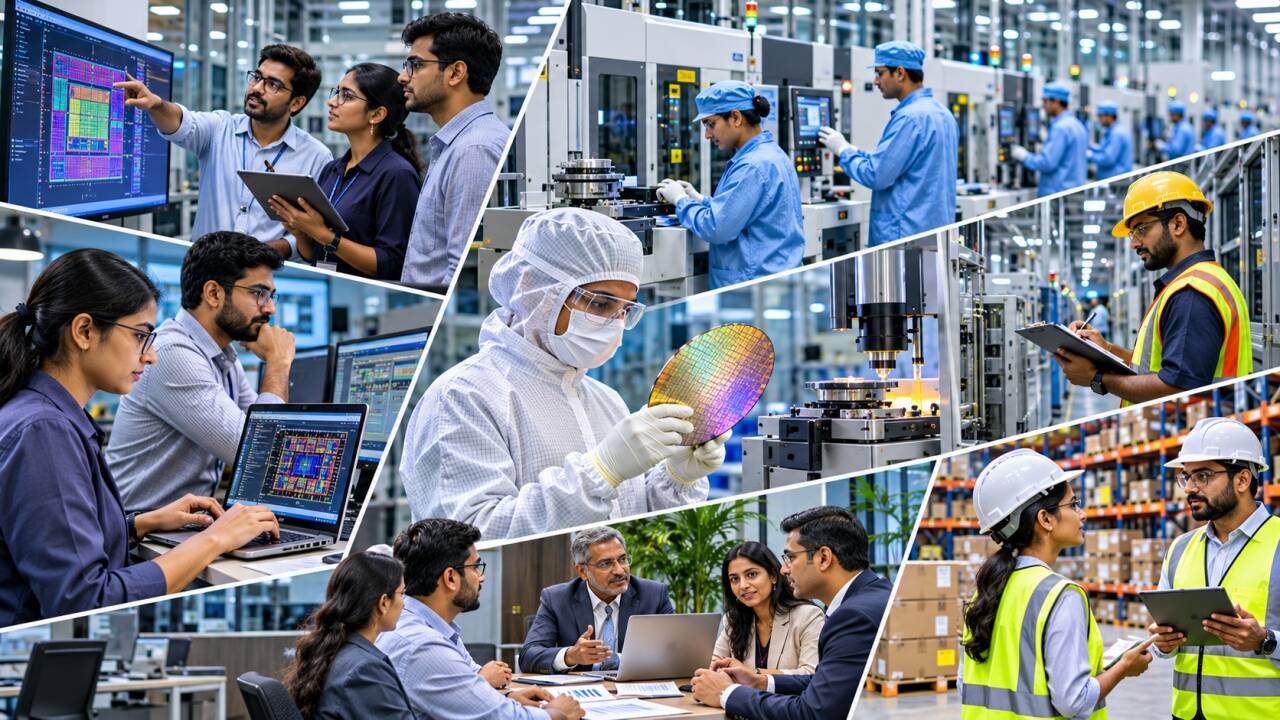
The concrete outcome of India's push into semiconductor manufacturing is the projection of over 100,000 new jobs within the next three years. Industry experts estimate that 67,500 of these positions will be filled within the next 18 months, marking a significant acceleration in hiring. Unlike the service-oriented roles that defined the early IT boom, these positions are rooted in hardware design, fabrication, and advanced engineering. The financial implications are equally striking, with senior engineers in this sector earning up to six times the salaries of their counterparts in traditional IT services, reflecting the scarcity and high value of specialized technical skills.
This expansion is driven by a strategic pivot in India's economic policy, aiming to reduce dependence on imported chips and establish a domestic supply chain. The underlying tension lies in the gap between the current skill base and the advanced requirements of semiconductor manufacturing. While India has a vast pool of software engineers, the hardware sector demands a different set of competencies, including deep knowledge of physics, materials science, and precision engineering. Educational institutions and corporate training programs are now racing to bridge this gap, but the pace of upskilling must match the rapid deployment of new fabs and design centers.
The tangible outcome is a reshaping of the Indian tech labor market. The premium on semiconductor skills is likely to draw talent away from traditional IT roles, potentially creating a shortage in software development while bolstering the hardware sector. For the broader economy, this shift represents a move up the value chain, from low-margin service exports to high-margin manufacturing and intellectual property. The success of this transition will depend on the government's ability to maintain a stable regulatory environment and attract further foreign investment in the sector.
Comments 0