Sewer Deaths in India: A Silent Crisis of Infrastructure Neglect
Over 30 deaths from sewer and septic tank accidents have been reported in 2026, with Haryana, Maharashtra, and Delhi leading the grim tally. The National Commission for Safai Karamcharis highlights a systemic failure in safety protocols, exposing the deadly consequences of inadequate infrastructure maintenance.
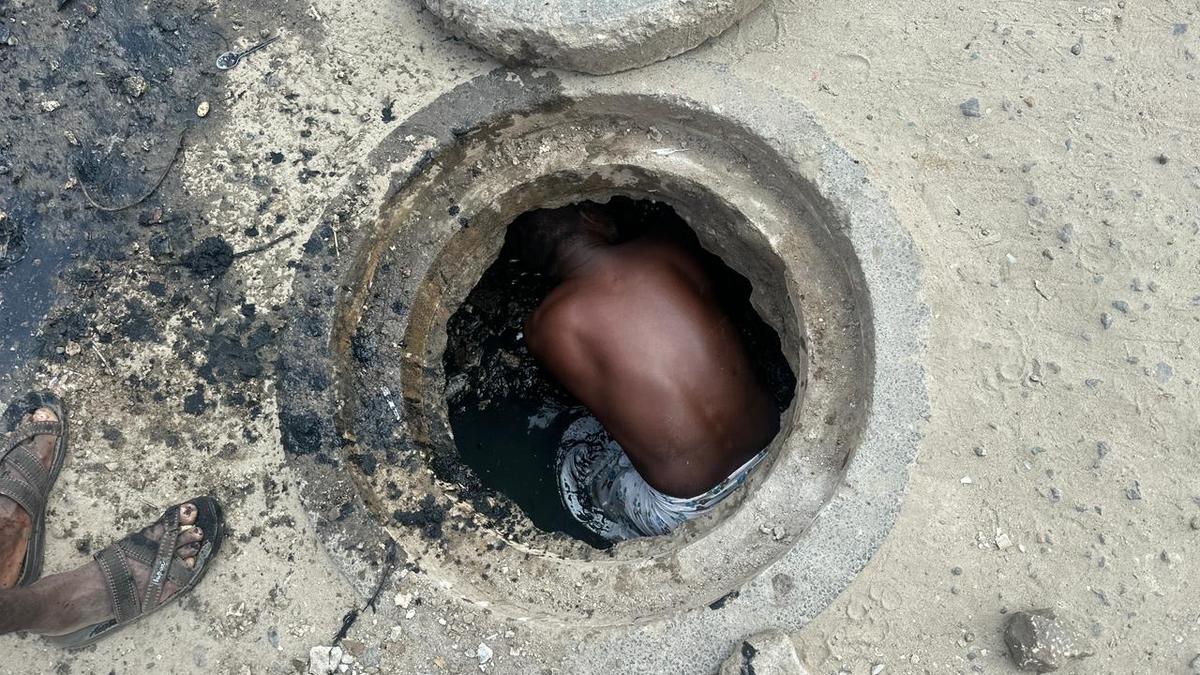
The report of more than 30 deaths from sewer and septic tank accidents in 2026 is a stark reminder of the deadly hazards faced by India's sanitation workers. These deaths are not isolated incidents but the result of a systemic failure in infrastructure maintenance and safety enforcement. The fact that Haryana, Maharashtra, and Delhi are the worst-affected states underscores the urbanization challenges and the lack of proper safety measures in densely populated areas. The immediate shockwave is felt by the families of the victims, who are left to cope with the loss of their breadwinners in a profession that is both essential and perilously unsafe.
The underlying tension is the conflict between the urgent need for sanitation services and the chronic underinvestment in worker safety. The National Commission for Safai Karamcharis has long highlighted the dangers faced by these workers, but the lack of action from state and central governments has allowed the crisis to persist. The institutional friction is evident in the gap between policy and implementation, with safety guidelines often remaining on paper while workers continue to risk their lives in hazardous conditions. This friction is further exacerbated by the informal nature of the sanitation sector, where workers are often employed through contractors who have little incentive to invest in safety equipment.
The downstream consequences of this crisis are profound for the workers and their families. The compensation paid in only nine cases highlights the inadequacy of the current system in providing justice and support to the victims. The tangible outcome is a cycle of poverty and despair, where families are left to cope with the loss of income and the trauma of their loved one's death. The long-term impact is a deepening of the social divide, where the most vulnerable workers are forced to accept dangerous conditions in the absence of better alternatives. This crisis demands a fundamental rethinking of how India approaches sanitation infrastructure and worker safety, with a focus on enforcement, investment, and accountability.
Comments 0