Shiv Sena’s Pune Revival: A Strategic Reckoning
Eknath Shinde’s Shiv Sena has tasked Uday Samant with rebuilding its base in Pune, a city that has seen a significant erosion of the party’s influence. This move signals a strategic shift in the party’s approach to urban politics, aiming to reclaim its traditional stronghold.
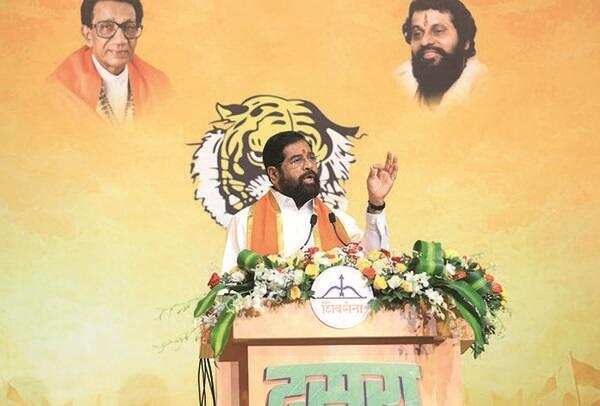
The decision by Eknath Shinde’s Shiv Sena to task Uday Samant with rebuilding its base in Pune is a clear indication of the party’s strategic priorities. Pune, once a bastion of the party, has seen a decline in its support, particularly among the urban middle class. This revival push is not just about winning elections but about reasserting the party’s relevance in a rapidly changing political . The appointment of Samant, a seasoned politician, suggests that the party is taking this challenge seriously and is willing to invest resources in a long-term strategy.
The underlying tension in this move is the competition for the urban vote in Maharashtra. The city of Pune is home to a large number of IT professionals and students, who are increasingly disillusioned with traditional political parties. The Shiv Sena’s challenge is to connect with this demographic, which is more focused on issues such as employment, infrastructure, and quality of life. The party’s traditional rhetoric, which often centers on Marathi identity, may not resonate with this audience, requiring a shift in messaging and policy focus.
The downstream consequences of this revival push will be felt in the state’s political dynamics. If successful, it could lead to a realignment of alliances in Maharashtra, with the Shiv Sena regaining its position as a key player in state politics. However, if the effort fails, it could further weaken the party’s position, making it more dependent on its alliance with the BJP. The next 12 months will be critical in determining the outcome of this strategic bet, with the party’s ability to adapt to the changing political environment being the key factor.
Comments 0