Shopian Arrests Unmask Terror Finance Network in Jammu and Kashmir
Ten individuals identified as over‑ground workers were taken into custody for allegedly channeling funds to militant outfits in Shopian district. The operation, led by security agencies, signals a renewed crackdown on financial conduits that sustain insurgency.
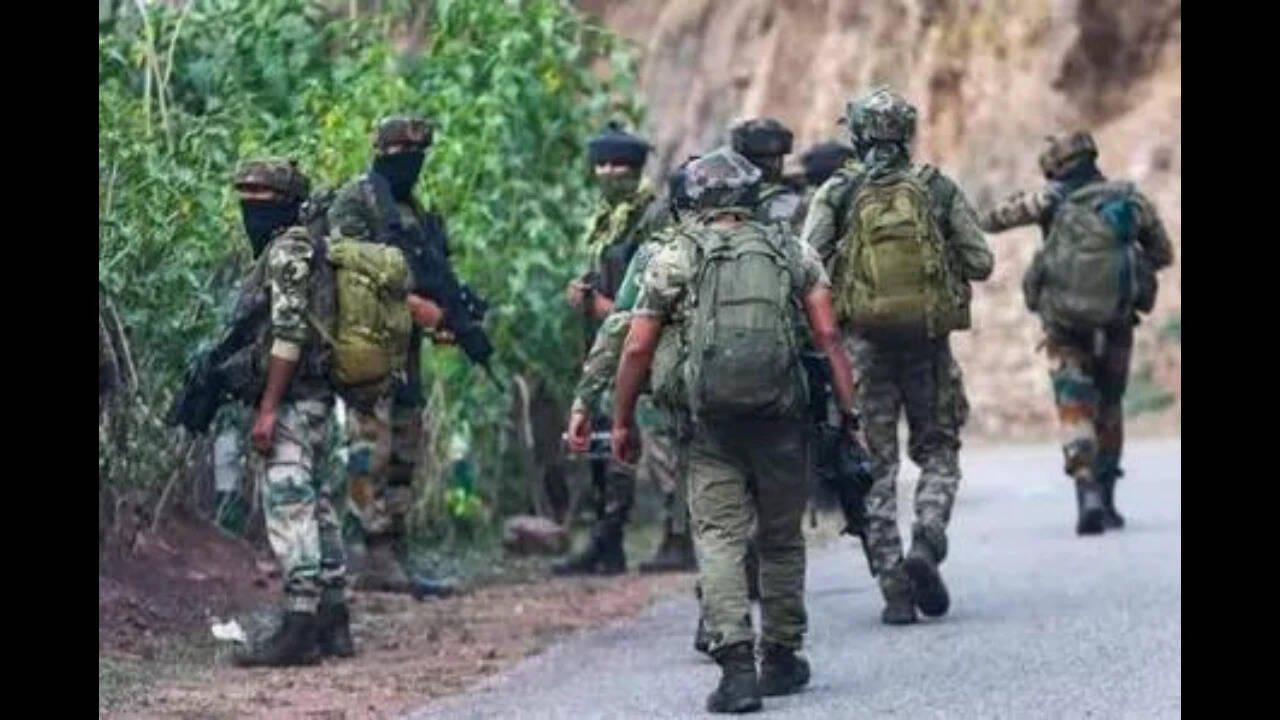
The arrests were announced after a months‑long surveillance operation that traced cash movements through informal hawala channels and local businesses. Investigators linked the suspects to a broader network that allegedly funneled money to groups operating in the volatile border region. By seizing bank records, mobile‑money transactions, and physical cash caches, authorities disrupted a pipeline that had previously evaded detection due to its reliance on community‑based trust networks.
This development occurs against a backdrop of strained centre‑state relations, where the revocation of special status has intensified security measures. The police’s success reflects an intensified coordination between the Jammu and Kashmir police, the National Investigation Agency, and intelligence services. However, critics argue that such operations risk alienating local populations if perceived as heavy‑handed, potentially feeding the very narratives militants exploit. The case also highlights the friction between law‑enforcement priorities and the economic hardships that drive ordinary citizens into informal finance.
The tangible outcomes include the freezing of assets worth several crores and the initiation of court proceedings under the Unlawful Activities (Prevention) Act. Families of the arrested face social ostracism, while local businesses report heightened scrutiny of cash transactions. In the longer term, the disruption may compel militant groups to seek alternative funding, possibly increasing reliance on cross‑border smuggling or cyber‑based fundraising, reshaping the security calculus in the region.
Comments 0