Six Indian Tourists Missing in Nepal's High-Altitude Trek
Six Indian tourists have gone missing during a trek to Shey-Phoksundo Lake in Nepal, prompting a search and rescue operation in the remote Himalayan region. The incident raises concerns about the safety and preparedness of tourists undertaking high-altitude treks without adequate guidance.
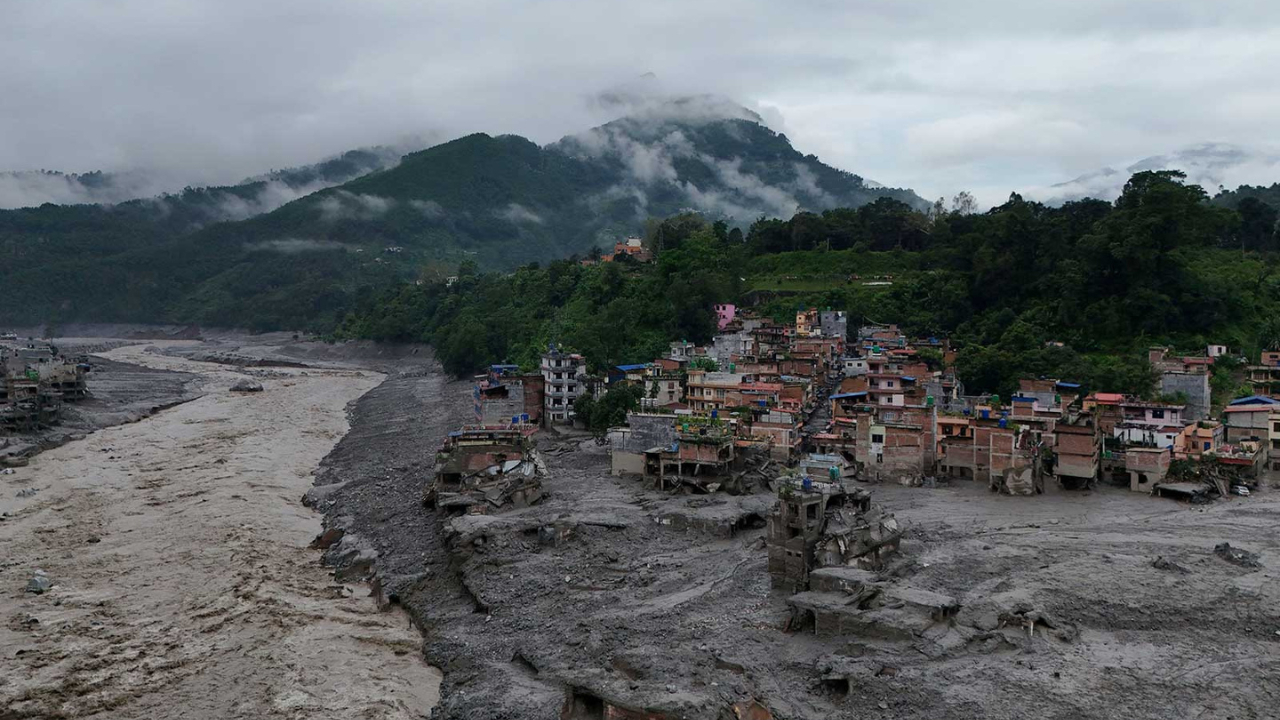
The concrete rupture is the disappearance of six Indian tourists during a trek to Shey-Phoksundo Lake in Nepal. The incident has triggered a search and rescue operation in the remote and rugged terrain of the Himalayas, where weather conditions and accessibility pose significant challenges. The immediate shockwave is the anxiety and uncertainty surrounding the fate of the missing individuals, as the search efforts are hampered by the difficult terrain and limited resources. The incident has also raised questions about the safety protocols and preparedness of tourists undertaking such treks, many of whom may lack the necessary experience or equipment for high-altitude environments.
The underlying tension is rooted in the growing popularity of adventure tourism in the region, which has outpaced the development of safety infrastructure and regulatory frameworks. The institutional friction is evident in the gap between the demand for adventure tourism and the capacity of local authorities to provide adequate safety and rescue services. This incident highlights the need for better coordination between tour operators, local authorities, and tourists to ensure the safety of those undertaking high-risk activities. The absence of clear guidelines and enforcement mechanisms leaves tourists vulnerable to the unpredictable nature of the Himalayan environment.
The downstream casualties are the families of the missing tourists, who are left to wait with bated breath for news of their loved ones. The tangible outcome is a potential increase in scrutiny of adventure tourism practices in the region, with calls for stricter regulations and better safety standards. The long-term consequence is a possible shift in the tourism industry, where operators may be required to provide more comprehensive safety training and equipment to their clients. This incident serves as a reminder of the inherent risks of adventure tourism and the importance of preparedness and safety in such activities.
Comments 0