Rahul Gandhi's March: A Strategic Gamble in Delhi
The INDIA bloc has announced a march route from Minto Road to Ramlila Maidan, signaling a significant escalation in political mobilization. The decision to increase security measures underscores the high stakes and potential for confrontation in the capital.
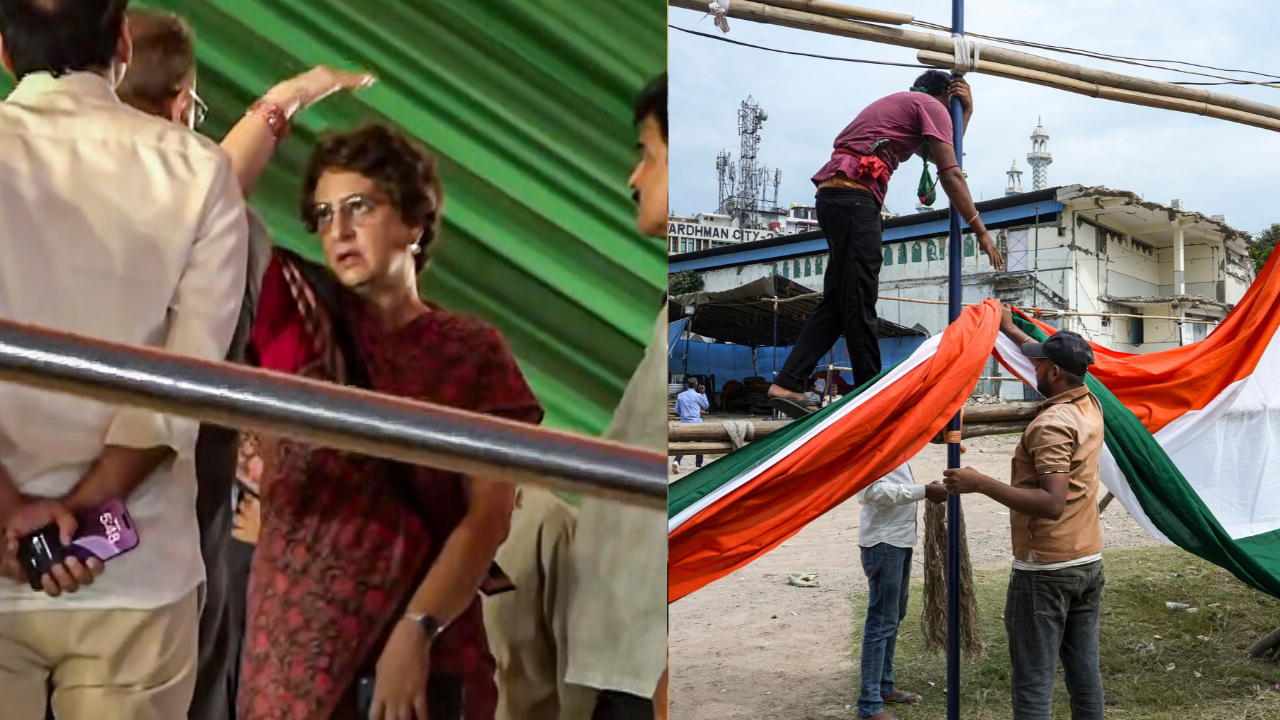
The announcement of the march route by Rahul Gandhi represents a calculated move to assert the presence and relevance of the opposition in the political . The choice of Ramlila Maidan, a site with historical significance for political gatherings, is a deliberate signal to the public and the government alike. This is not just a protest but a strategic maneuver to gain media attention and mobilize supporters. The increased security measures indicate that the authorities are aware of the potential for unrest and are preparing to manage the situation with a heavy hand.
The underlying tension is rooted in the deepening divide between the ruling party and the opposition. The march is a response to perceived injustices and a bid to challenge the government's narrative. The institutional friction is evident in the government's response, which has been to ramp up security and prepare for potential clashes. This dynamic has created a climate of tension in the capital, with both sides preparing for a confrontation that could have significant political consequences. The march is a test of the government's ability to maintain order and the opposition's ability to mobilize its base.
The downstream consequences of this march are likely to be significant, with potential implications for the political balance in the country. The event could serve as a catalyst for further political mobilization, leading to a more polarized and confrontational political environment. The tangible outcome of this confrontation will depend on the response of the authorities and the reaction of the public. The march is a reminder of the power of collective action and the importance of political engagement in a democracy.
Comments 0